Section A
40 marks
Question 1
Which of the following is common to both DNA and mRNA?
A. a double helix structure
B. the pentose sugar ribose
C. a sugar-phosphate backbone
D. the nitrogenous bases adenine, guanine, cytosine and thymine
Question 2
The table below shows all of the mRNA codons for the amino acid leucine, and the corresponding tRNA anticodons.
| mRNA codons | tRNA anticodons |
| UUA | AAU |
| UUG | AAC |
| CUU | GAA |
| CUC | GAG |
| CUA | GAU |
| CUG | GAC |
Based on the information given, it is reasonable to state that
A. leucine is a polypeptide.
B. the genetic code is degenerate.
C. the genetic code is universal in nature.
D. transcription of the mRNA codons gives rise to a functional protein.
Use the following information to answer Questions 3–5.
People with type 1 diabetes require regular injections of insulin to regulate their blood glucose concentration. Until 1978, insulin was obtained from cattle and pigs. However, this type of insulin caused allergic reactions in many patients. Currently, a significant percentage of insulin is produced by genetic engineering.
Question 3
The gene for human insulin is inserted into a plasmid, which is then taken up by a bacterium. When that bacterium reproduces, all subsequent offspring will contain the plasmid as well.
Which one of the following statements apply to the plasmid and the bacteria produced?
A. The plasmid has been mutated and the bacteria are vectors.
B. The plasmid is amplified and the bacteria are clonally selected.
C. The plasmid is transformed and the bacteria are selectively bred.
D. The plasmid is recombinant and the bacteria have been transformed.
Question 4
Insulin is a protein that consists of an alpha chain and a beta chain linked by two disulfide bonds. These bonds cause the protein to assume a globular shape.
What is the highest level of hierarchical structure present in insulin?
A. primary
B. tertiary
C. secondary
D. quaternary
Question 5
The diagram below represents a pancreatic cell.

Which of the indicated structures play a direct role in the synthesis and export of insulin from the cell?
A. 1 and 3 only
B. 3 and 4 only
C. 1, 2 and 3 only
D. 1, 2, 3 and 4
Question 6
The proteome is best defined as
A. the hierarchy of structure in functional proteins.
B. the entire set of proteins produced by an organism.
C. the complete set of organelles associated with the secretion of proteins.
D. information molecules that encode instructions for the synthesis of proteins.
Question 7
The diagram below represents a molecule of tRNA.

The structure indicated by the arrow is
A. a nucleotide.
B. an anticodon.
C. a polypeptide.
D. an amino acid.
GAA
Source: adapted from VSimonian/Wikimedia Commons/CC BY-SA 3.0
Question 8
The diagram below represents an overview of the polymerase chain reaction (PCR).
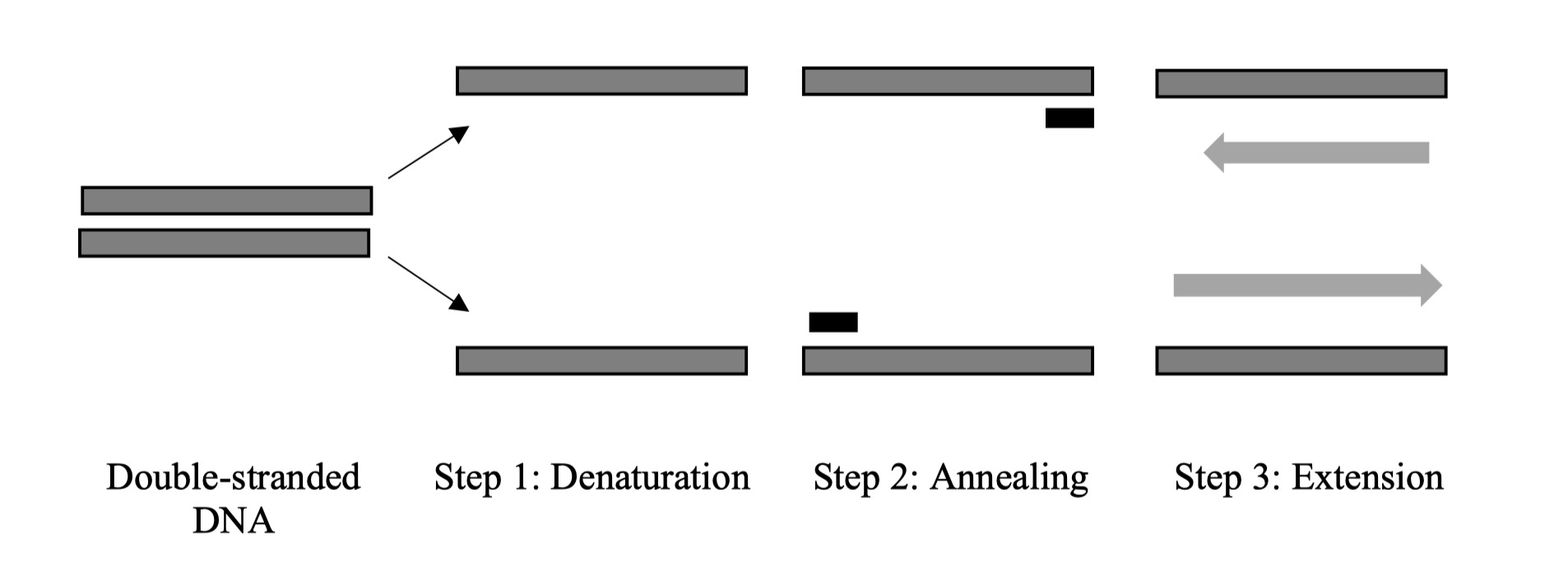
Double-stranded
DNA Step 1: Denaturation Step 2: Annealing Step 3: Extension
Which one of the following is a correct statement?
A. DNA helicase is used to unwind the DNA during Step 1.
B. Endonucleases are used to cut the DNA into fragments during Step 1.
C. DNA ligase is used to anneal primers to the template strands during Step 2.
D. DNA polymerase is used to assemble complementary strands of DNA during Step 3.
Question 9
The actions of the European corn borer cost corn (maize) growers more than $1 billion annually in lost crop yields and insecticide purchases. Bt maize is a genetically engineered strain of corn that produces crystal (Cry) proteins or toxins derived from the soil
bacterium Bacillus thuringiensis. These toxins kill the corn borer. Graph 1 shows the changes to the percentage of available land planted with Bt maize over a period of 10 years and
Graph 2 shows changes to the amount of insecticide used over the same period of time.
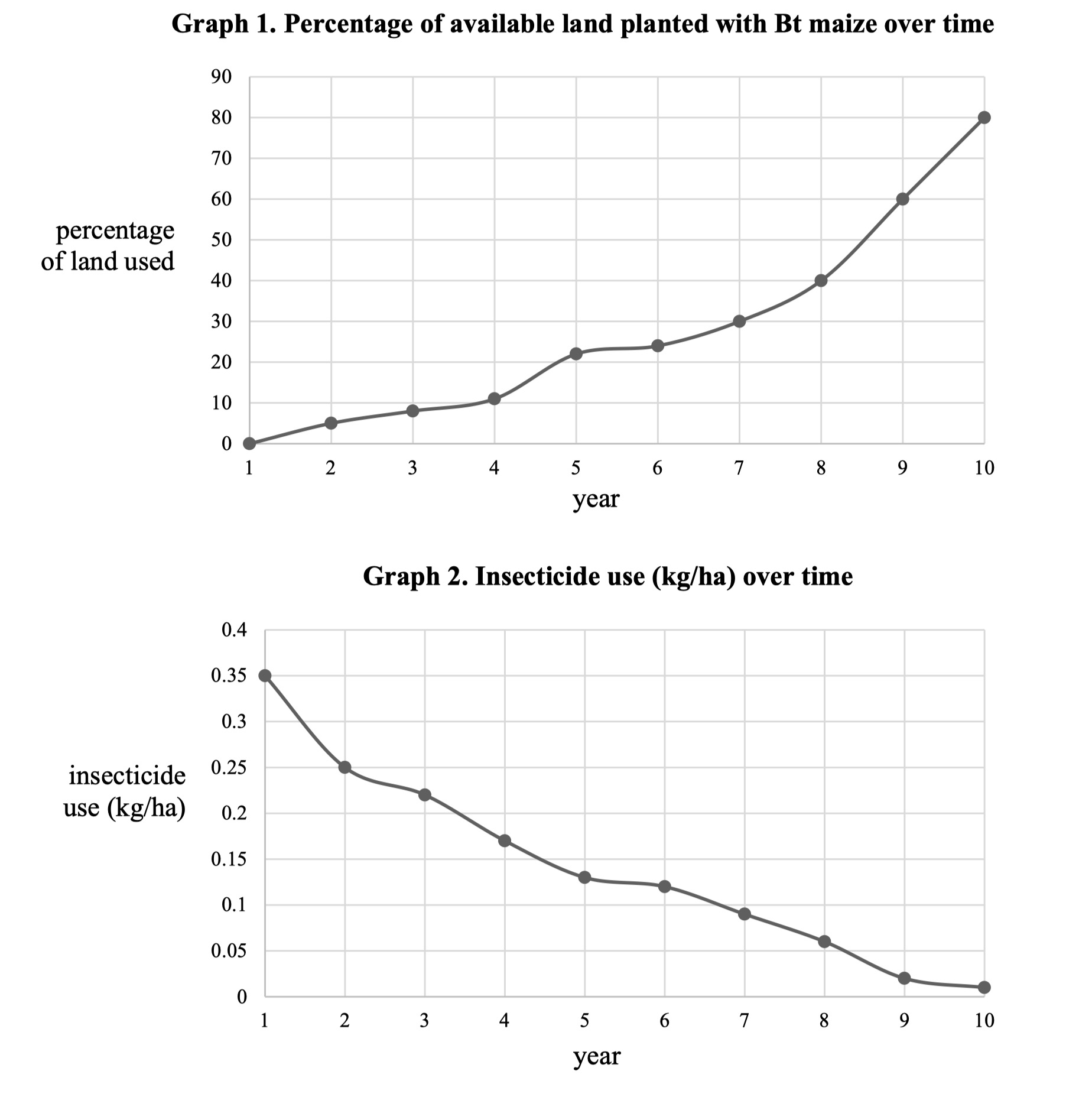
Based on the data, it would be reasonable to conclude that
A. it takes Bt maize 10 years to reach maturity.
B. planting Bt maize increases the percentage of available land.
C. insecticide use decreases as the percentage of Bt maize increases.
D. increasing the percentage of land planted with Bt maize increases the use of insecticides.
Question 10
The use of biofuels increased from approximately 0.6% in 2015 to 5% in 2021. A student assembled a table of advantages and disadvantages relating to the use of biofuels.
Which of the following is a correct set of examples of an advantage and a disadvantage?
| Advantage | Disadvantage |
| Biofuels are renewable. | Much more research needs to be done to produce enough safe, efficient fuels. |
| Sources of resources for biofuels compete with livestock production. | Biofuels have a higher energy yield than fossil fuels. |
| Biofuels absorb carbon dioxide. | Biofuels have a larger range of applications than fossil fuels. |
| Biofuels are easily contaminated. | The use of fossil fuels is carbon neutral. |
Question 11
Browning in apples is caused by the enzyme polyphenol oxidase (PPO). The gene that codes for PPO production is activated by stress, such as by bumping or cutting an apple. A strain of apples has been produced in which the PPO gene has been silenced, which prevents the apples from going brown.
It would be reasonable to state that these apples are
A. the result of selective breeding.
B. genetically modified and transgenic.
C. genetically modified but not transgenic.
D. transgenic but not genetically modified.
Question 12
A scientist wishes to make a recombinant plasmid into which they are going to insert gene X.
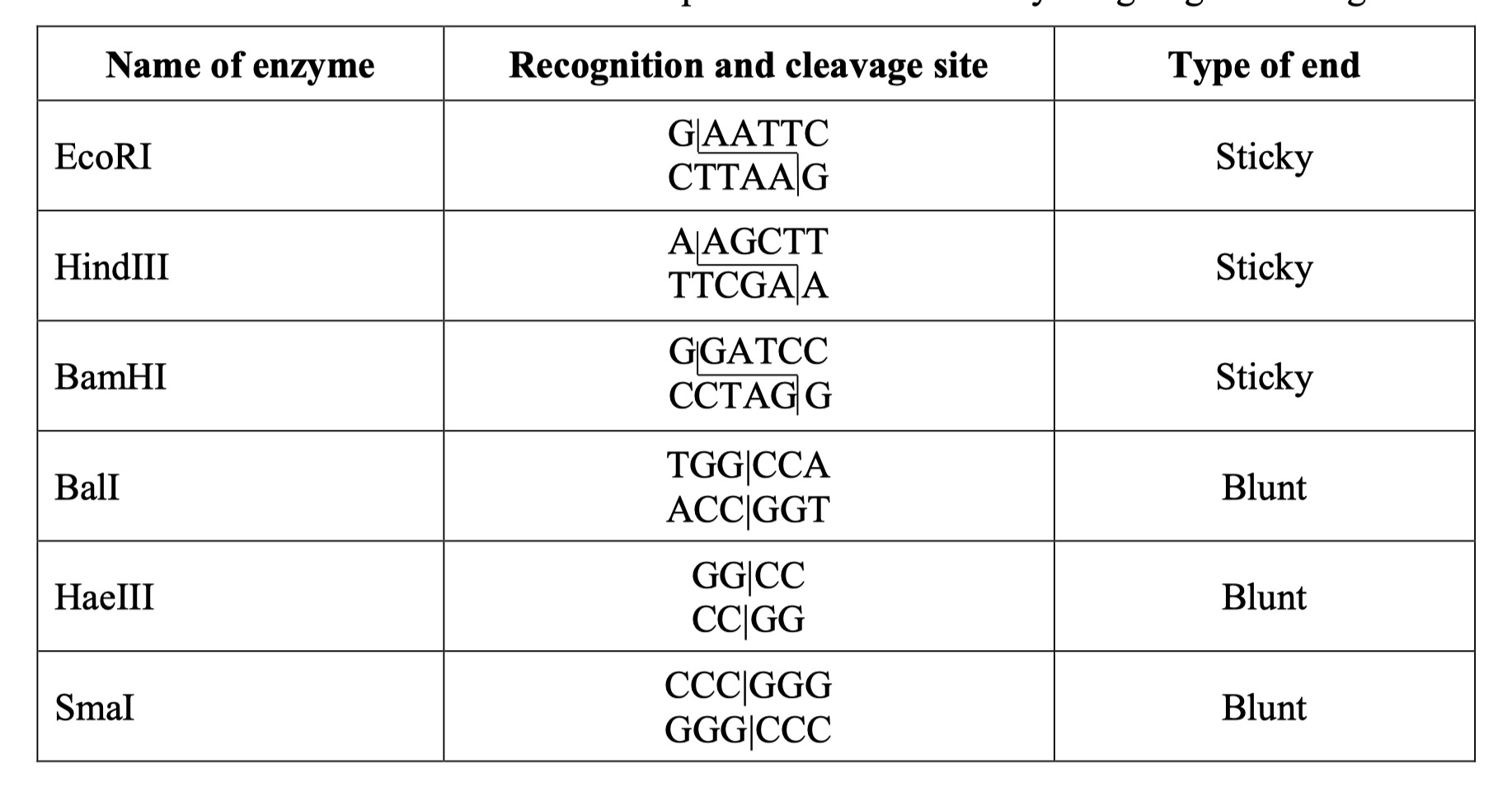
The best option to do this is to
A. use BamHI to cut around the gene and through the plasmid.
B. cut around gene X with SmaI and cut the plasmid with SmaI.
C. cut around gene X with EcoRI and cut the plasmid with BamHI.
D. cut around gene X with HaeIII and cut the plasmid with HindIII.
Question 13
A couple has a set of triplets and notice that Child 2 looks very different from Child 1 and Child 3, so they decide that the entire family should undergo testing. The DNA profiles of the family are shown below.

Based on the information given, it would be reasonable to conclude that
A. Child 1 and Child 3 must be identical twins.
B. Child 2 is the only biological child of the parents.
C. Child 2 has no DNA in common with the other two children.
D. all of the children inherited 50% of their DNA from each parent.
Question 14
The diagrams below represent the interaction between an enzyme and two different inhibitors. The shaded components represent the inhibitors.
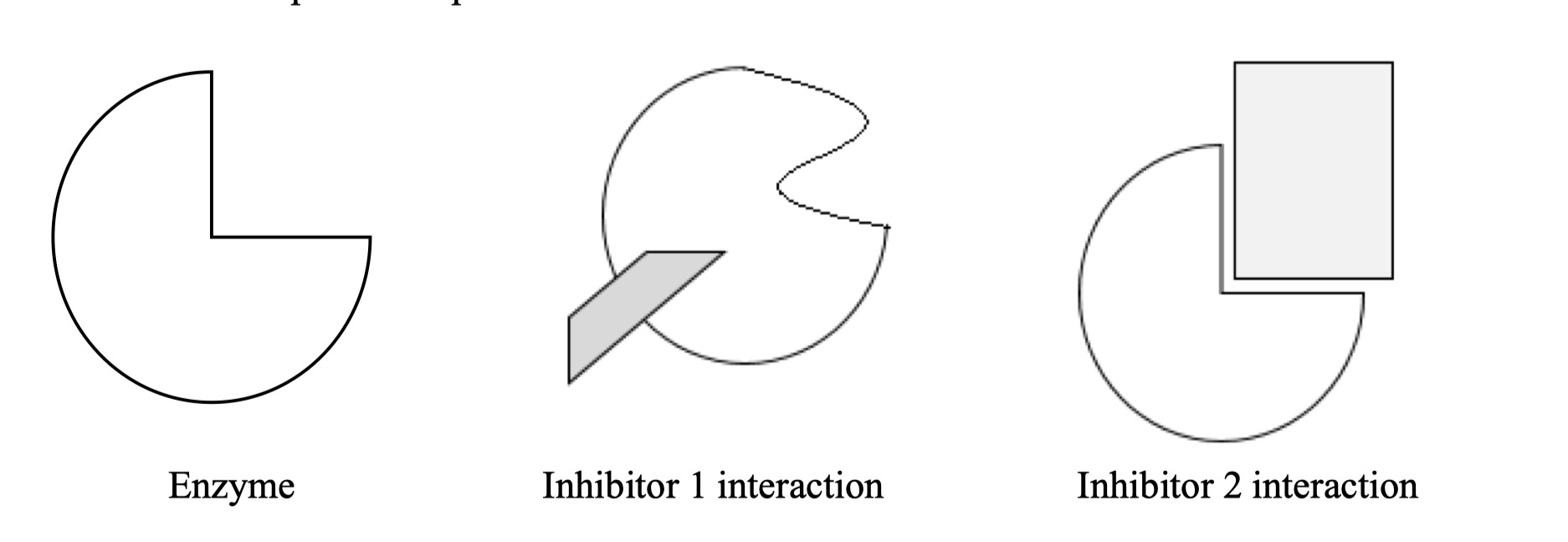
Which of the following correctly identifies the two different types of inhibitors?
| Inhibitor 1 | Inhibitor 2 |
| Competitive | Competitive |
| Competitive | Non-competitive |
| Non-competitive | Competitive |
| Non-competitive | Non-competitive |
Question 15
A student carried out an investigation into the effect that changing temperature had on the rate of an enzyme-catalysed reaction.
They used eight test tubes at temperature intervals of 5 °C. Their results are shown in the graph below.

Tube 8 was initially placed in a water bath at 65 °C. After completing the first stage of their investigation and recording their results, the student decreased the temperature of Tube 8 from 65 °C to 55 °C.
It would be reasonable to conclude that the rate of the reaction would
A. remain at 15 arbitrary units.
B. increase to 30 arbitrary units.
C. increase to 36 arbitrary units.
D. decrease to 10 arbitrary units.
Question 16
The light-dependent stage is the first stage of photosynthesis.
Which of the following substances does the light-dependent stage supply to the light-independent stage?
A. ATP and NADPH
B. Rubisco and NADH
C. glucose and oxygen
D. carbon dioxide and water
Question 17
The following reaction occurs during the Krebs cycle.
succinic acid → succinate dehydrogenase → fumaric acid
Malonic acid has a similar shape to succinic acid and is also able to temporarily bind to succinate dehydrogenase.
It would be reasonable to state that
A. malonic acid denatures succinate dehydrogenase.
B. malonic acid is a competitive inhibitor for succinic acid.
C. succinic acid cannot be converted into fumaric acid if malonic acid is also present.
D. the production of fumaric acid will be unaffected by the presence of malonic acid.
Question 18
NADH is the loaded form of a coenzyme that plays a role in cellular respiration. The unloaded form is NAD+.
Which one of the following statements correctly applies to NAD+?
A. NAD+ provides energy to NADH.
B. NADH is converted to NAD+ in the cristae.
C. NAD+ is only converted to NADH during glycolysis.
D. NAD+ donates electrons to the electron transport chain.
Question 19
During the process of glycolysis, what happens to the majority of chemical energy initially stored in the glucose reactant molecules?
A. It is stored in NADH.
B. It is used to produce lactic acid.
C. It is used to phosphorylate ADP into ATP.
D. It remains in the chemical bonds of pyruvate molecules.
Question 20
Consider the process of fermentation carried out by yeast cells. Which of the following is correct?
| More energy is released than by aerobic respiration | Alcohol is produced | Carbon dioxide is produced |
| Yes | No | No |
| No | Yes | Yes |
| No | No | Yes |
| Yes | Yes | No |
Question 21
A human baby has naturally acquired passive immunity.
Which one of the following statements is correct regarding naturally acquired passive immunity?
A. The baby is exposed to antigens and produces B memory cells.
B. The baby is exposed to antibodies and produces B memory cells.
C. The baby is exposed to antigens but does not produce B memory cells.
D. The baby is exposed to antibodies but does not produce B memory cells.
Question 22
Consider the information in the graph below. A person was exposed to two different antigens and their relative antibody concentration was measured over a period of 60 days.
The solid line represents their exposure to Antigen A and the dotted line represents their exposure to Antigen B.
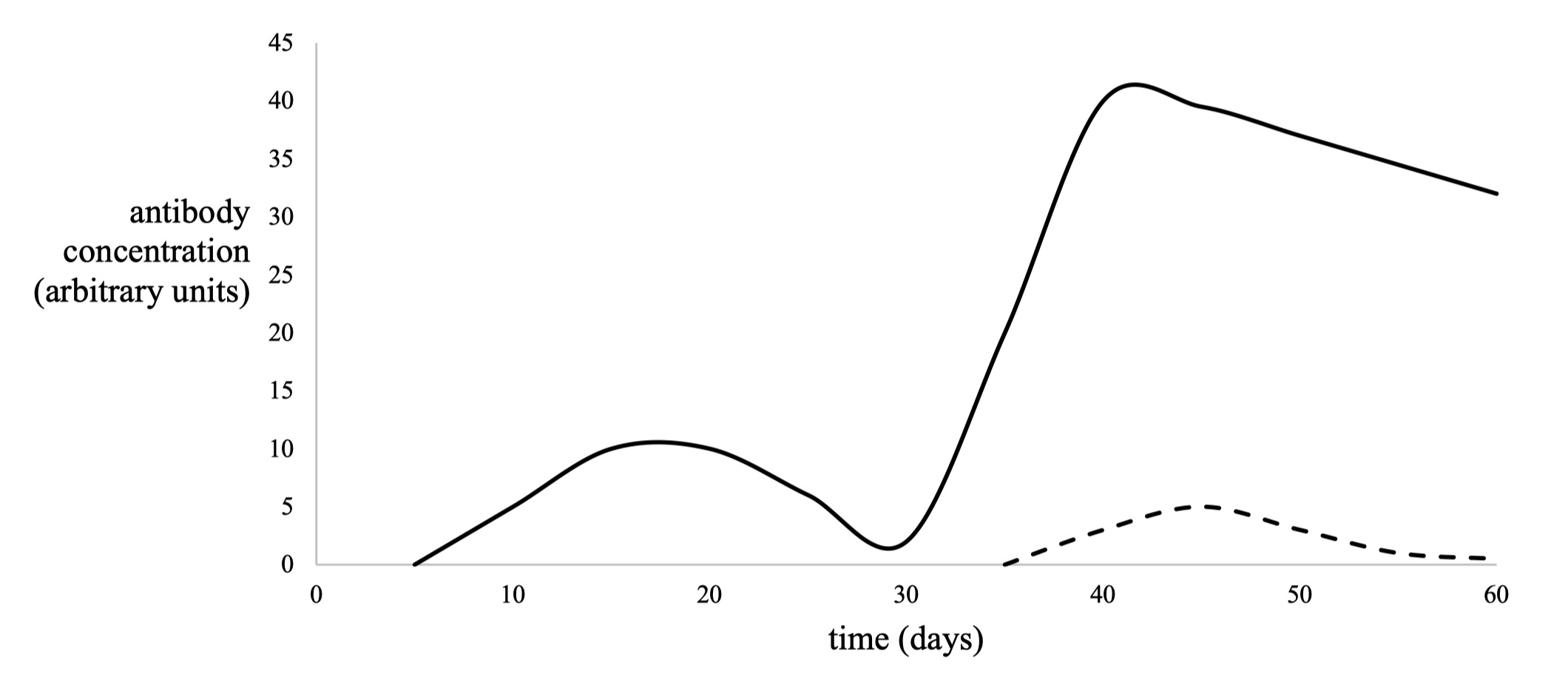
The best explanation for the results shown on the graph is
A. the primary response to Antigen B triggered a secondary response against Antigen A.
B. primary and secondary responses occurred against Antigen A. The secondary response against Antigen A inhibited the response to Antigen B.
C. memory B cells enabled a secondary response to Antigen A. At about the same time, different B cells were activated to carry out a primary response against Antigen B.
D. the B plasma cells that remained in the lymphatic system after the first exposure to Antigen A were then triggered to produce higher concentrations of Antibody A and low concentrations of Antibody B.
Question 23
Which one of the following has the least effect on the rate of transmission of a virus through a population?
A. how sensitive the virus is to antibiotics
B. the ease with which the virus infects host cells
C. how readily the virus can be transmitted from one host to another
D. the means by which the virus is transmitted from one host to another
Question 24
B memory cells remain in the lymphatic system long after an infection. What is the function of B memory cells?
A. They engulf pathogens.
B. They induce apoptosis.
C. They divide to produce plasma cells.
D. They release perforins, which kill cells invaded by pathogens.
Question 25
Which one of the following is a correct statement about monoclonal antibodies?
A. They facilitate a specific immune response.
B. They provide protection against a wide variety of pathogens.
C. They can help reduce swelling caused by rheumatoid arthritis.
D. They are produced by the cells of organisms that have strong immune systems.
Question 26
A research team carried out some experiments to find out if mast cells play a role in causing lymph nodes to swell after an infection has occurred. They did so by setting up three groups of mice. The treatment for each group and the results are written below.
Group 1: The mice had no mast cells and their lymph nodes remained small. Group 2: The mice had mast cells and their lymph nodes swelled after infection.
Group 3: The mice had no mast cells naturally but were injected with mast cells. Their lymph nodes became swollen.
It would be reasonable to conclude that
A. mast cells play no role in the swelling of lymph nodes.
B. mice without mast cells cannot carry out an immune response.
C. swelling of lymph nodes only occurrs if mice also have mast cells.
D. the mast cells must secrete a substance that causes lymph nodes to swell.
Question 27
The term ‘gene pool’ refers to
A. all of the alleles in a population.
B. all of the adaptations in a population.
C. the total number of mutations in a population.
D. the total number of organisms in a population.
Use the following information to answer Questions 28 and 29.
Influenza viruses are constantly changing. One of the major ways in which they can change is called antigenic shift. This is an abrupt, major change resulting in viruses having new haemagglutinin (H) and/or neuraminidase (N) antigens. Some of these strains are able to spread from animals to humans. An example of this is H1N1, a strain of influenza referred to as ‘swine flu’.
Question 28
Many laboratories around the world have been sequencing influenza viruses since the 1980s. The results are available in databases so that researchers can compare genetic sequences in a process called genetic characterisation.
Which one of the following would a researcher be interested in if their aim is to control the emergence of a new strain of virus that can infect humans?
A. if a current virus has caused infections in the past
B. the extent of genetic similarity between different strains
C. how effective vaccines are against different strains of virus
D. genetic changes in viruses that circulate in animal populations
Question 29
Antigenic shift creates challenges for treatment strategies and vaccination programs. This is because
A. people do not have immunity to the new combination of antigens.
B. it is impossible to create vaccines that are effective against new viral strains.
C. antigenic shift results in the production of a virus with similar properties to an existing virus.
D. these mutations cause the production of viruses that are more transmissible than the existing strains.
Question 30
Consider the diagrams below. Each diagram shows the distribution of two different species as indicated by the two different colours.
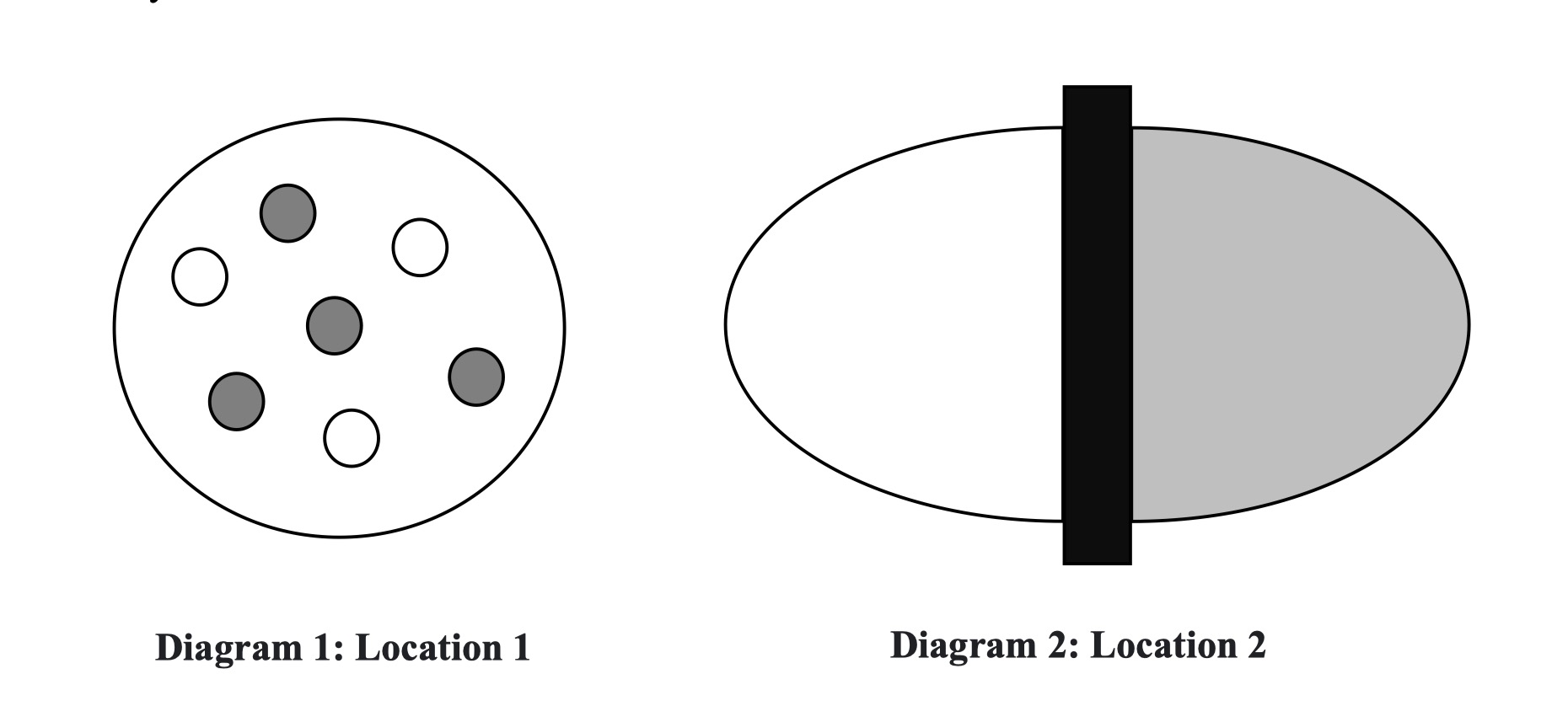
It would be reasonable to conclude that
A. Diagram 1 could represent the speciation of Darwin’s finches.
B. Diagram 2 represents a type of speciation, but Diagram 1 does not.
C. the barrier in Diagram 2 must represent an example of a selection pressure.
D. Diagram 1 shows two different species that are reproductively isolated from each other.
Question 31
To be considered an index fossil, a fossil must
A. be well preserved.
B. be from an organism that had a short life span.
C. share a recent common ancestor with many other species.
D. be from a species that existed for a short period of geological time.
Question 32
Oceanic islands frequently have species that are not found anywhere else on Earth. This occurs because
A. predators cannot travel to islands.
B. islands are isolated, preventing gene flow.
C. islands have a large diversity of niches, enabling speciation to occur.
D. islands provide stable habitats, with selection pressures remaining constant.
Question 33
The pelvis is an attachment site for muscles that balance and support the torso in mammals and enable movement of hips and legs. The diagram below shows a skeleton of a modern whale. The structure circled is the pelvis.
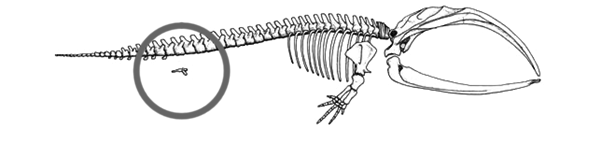
Source: adapted from Andrew C. Collin/Wikimedia Commons/CC SA-BY 3.0
Which one of the following is a correct statement?
A. The pelvis is an example of a vestigial structure.
B. The pelvis is evidence that whales are a transitional species.
C. The pelvis enables whales to walk if they choose to do so.
D. The pelvis is a feature modern whales have evolved to assist them to swim efficiently.
Question 34
Most reptiles have hearts with three chambers; however, it has been discovered that some dinosaurs had hearts with four chambers, similar in structure to those of modern birds.
A reasonable conclusion based on this information is that
A. birds and dinosaurs are completely unrelated.
B. the four-chambered heart is an example of a homologous structure.
C. dinosaurs evolved to have a four-chambered heart later than birds did.
D. dinosaurs and birds shared a very recent common ancestor that had a heart with four chambers.
Question 35
The fossils of two different species were found in the same area. The fossil of Species X was found in a much lower layer of rock than that of Species Y.
It would be reasonable to conclude that Species Y
A. evolved from Species X.
B. co-existed with Species X.
C. existed more recently than Species X.
D. shared a recent common ancestor with Species X.
Question 36
The fossilised remains of a variety of marine organisms have been found in the mines at Coober Pedy. The location of Coober Pedy is shown on the map below.
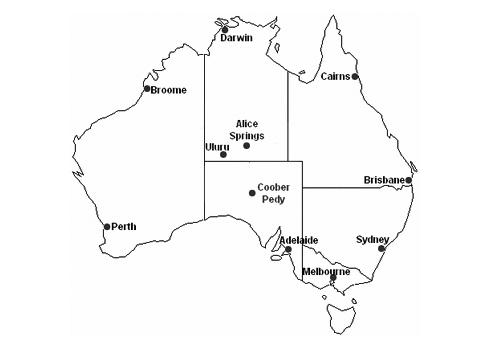
Source: adapted from Outback Australia Travel Guide, ‘Coober Pedy map’, https://www.outback-australia-travel-secrets.com/coober-pedy-map.html
Based on the information above, which one of the following is most likely?
A. The marine species once lived on land.
B. The location where Coober Pedy is now was once under seawater.
C. The fossils had been transported to Coober Pedy from somewhere else.
D. The descendants of the marine species are now adapted to live on land.
Question 37
The limbs of Homo sapiens are adapted to enable bipedalism. One advantage of bipedalism is that
A. the mass of the body is reduced.
B. arms can be used for other functions.
C. support for the rest of the body is improved.
D. it enables humans to move faster than other primates.
Question 38
Archaeological evidence indicates that Aboriginal Australians arrived in Australia approximately 50 000 years ago. Mitochondrial genomes from 111 samples have been analysed and imply that movement into Australia consisted of a single, rapid migration along the east and west coasts, reaching South Australia 45 000–48 000 years ago. After this time, strong regional mitochondrial DNA patterns emerged.
Which one of the following conclusions could be drawn from this information?
A. The archaeological evidence does not support the genetic evidence.
B. Aboriginal Australians from the west coast are not related to those on the east coast.
C. When groups of Aboriginal Australians reached specific areas, their descendants were unlikely to migrate further.
D. The language and culture of each group of Aboriginal Australians can be traced back to a single ancestral group.
Question 39
The phylogenetic tree below shows an interpretation of the relationship between four species of hominin.

Which one of the following conclusions could not be made based on this information?
A. Homo sapiens are the direct descendants of Neanderthals and Denisovans.
B. Neanderthals, Denisovans and Homo sapiens all shared a common ancestor.
C. Neanderthals and Denisovans are more related to each other than either is to
Homo sapiens.
D. Homo sapiens are less similar to Homo heidelbergensis than Neanderthals and Denisovans were.
Question 40
DNA samples from people of different racial backgrounds have been analysed to determine the percentage of Neanderthal DNA present in their genomes. The results of one such study are shown in the graph below.
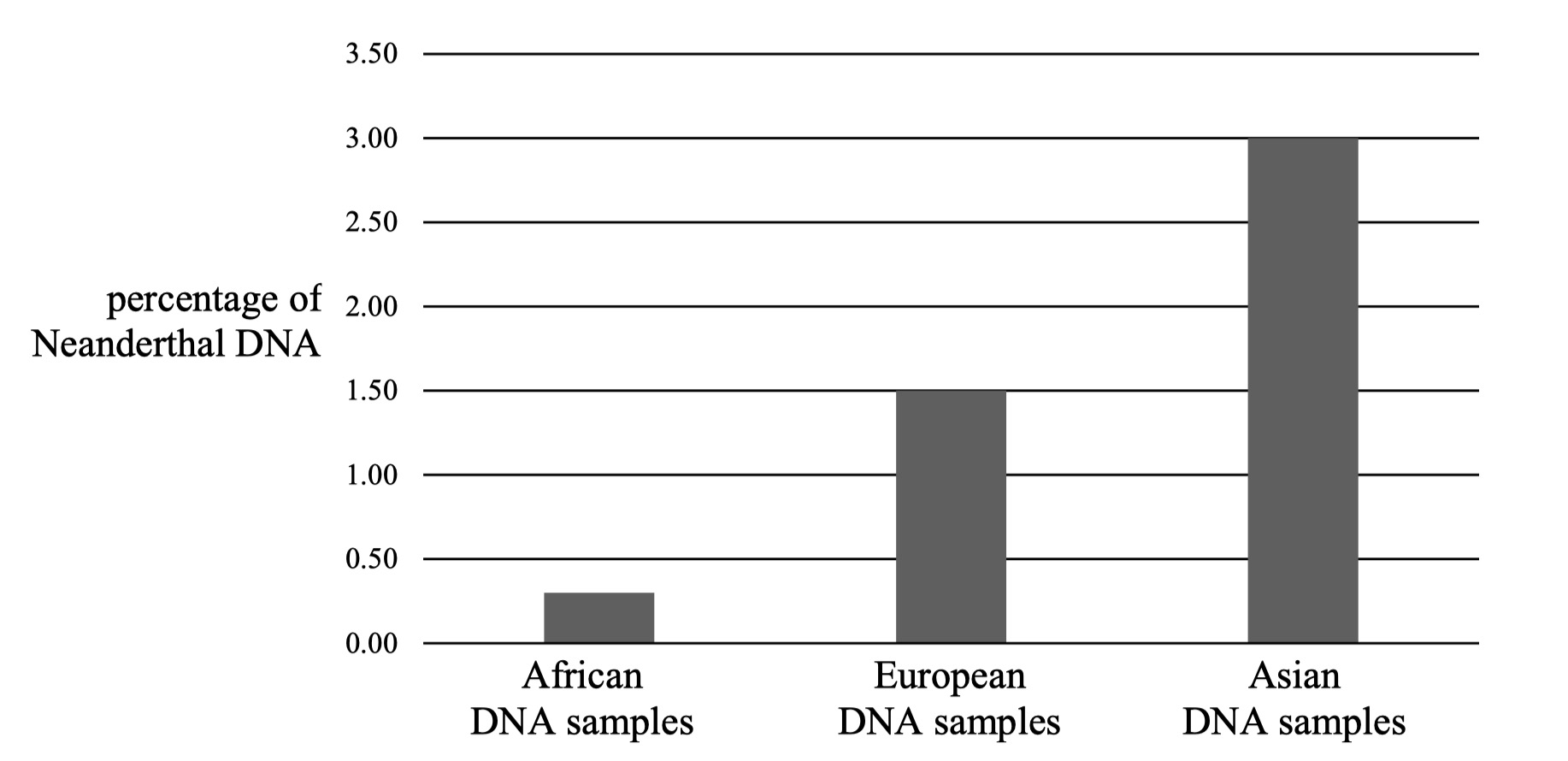
Which one of the following theories was rejected as a result of the evidence in the graph above?
A. Neanderthals are the direct ancestors of Homo sapiens.
B. Homo sapiens and Neanderthals share a recent common ancestor.
C. Interbreeding never occurred between Neanderthals and Homo sapiens.
D. Homo sapiens and Neanderthals occupied the same lands for thousands of years.
Section B
80 marks
Question 1 (9 marks)
The action of the trp operon is a simplified example of a process in which gene expression is regulated. The operon is found in certain species of bacteria. The purpose of the genes in the operon is to code for the enzymes that the bacteria requires to make the amino acid tryptophan. The diagram below shows an overview of the trp operon with a repressor protein bound to the operator region.
| Promoter | Operator | trpE | trpD | trpC | trpB | trpA |
a. Identify the condition under which the repressor protein will be bound to the operator region as shown in the diagram above.
1 mark
b. The trp genes are examples of structural genes. The expression of these genes is affected by the amount of tryptophan present.
Explain how the expression of the trp genes is regulated as the concentration of tryptophan decreases from a high level to zero.
4 marks
In contrast, the diagram below represents an overview of a eukaryotic gene.
| Promoter | Operator | Exon 1 | Intron 1 | Exon 2 | Intron 2 | Exon 3 | Intron 3 | Exon 4 |
c. Discuss one way in which the structure of the eukaryotic gene differs from that of the
trp operon.
1 mark
d. Use the information provided to draw a diagram of the eukaryotic gene after mRNA processing.
2 marks
e. After translation has occurred, the protein undergoes sulfation (a process in which sulfate groups are added to the protein).
Name the cellular structure in which this process occurs.
1 mark
Question 2 (4 marks)
The graph below shows the results for two experiments carried out to investigate the effect of carbon dioxide concentration and light intensity on the rate of photosynthesis.
Experiment 1 was carried out at 25 °C with a carbon dioxide concentration of 0.4%. Experiment 2 was carried out at 25 °C with a carbon dioxide concentration of 0.04%.
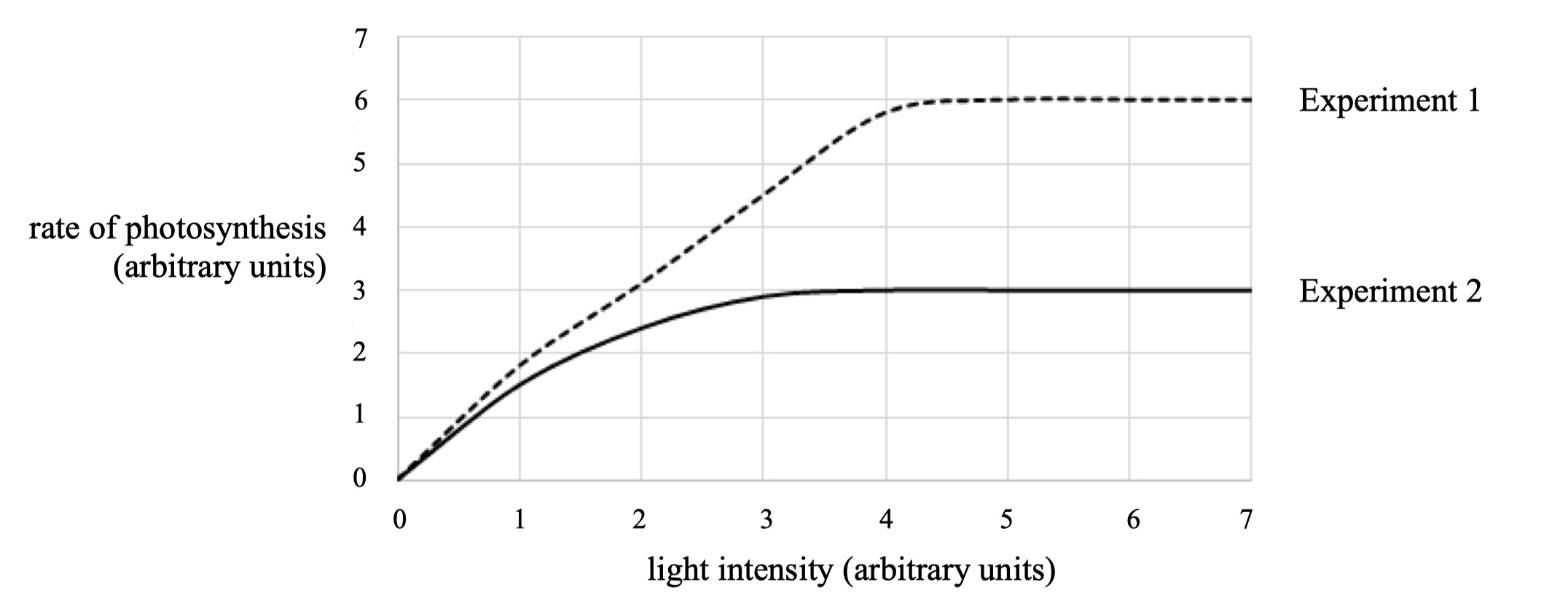
a. Explain the results for Experiment 1.
2 marks
b. Explain the difference between the results for the two experiments.
2 marks
Question 3 (10 marks)
Pertussis (also called whooping cough) is a contagious respiratory condition caused by an infection by the bacteria Bordetella pertussis. Symptoms include a runny nose, nasal congestion, inflammation of the throat, sneezing and coughing.
The graph below shows the changes in the incidence of pertussis in the United States over a period of 100 years.

The graph is based on data acquired from the United States’ Centers for Disease Control and Prevention.
a. Use the data provided to provide a reason why Bordetella pertussis is an example of a re-emerging pathogen.
1 mark
b. According to research, similar trends in the rate of pertussis infections between 2000 and 2021 have occurred in many countries.
Identify how this trend relates to our globally connected world.
1 mark
The human immune system consists of three levels of defence; the first two are non-specific and the third is specific.
c. After the pathogen bypasses the first level of defence, it increases in numbers and causes an inflammatory response in the throat.
Explain the role of mast cells in the inflammatory response.
2 marks
d. Identify the role of macrophages in removing the infectious pathogens from the body.
1 mark
e. Further protection can be provided by the action of complement proteins and natural killer cells.
Outline how the actions of complement proteins and natural killer cells provide protection.
2 marks
f. Explain the roles of B lymphocytes during infection and discuss how B lymphocytes provide protection against future infection.
3 marks
Question 4 (7 marks)
During a period of 20 years the elephant population of Gorongosa in Mozambique decreased from over 2500 to approximately 200. The decrease in population was largely due to the actions of poachers who killed elephants for their ivory tusks. Over the same period of time, the percentage of tuskless female elephants increased from 18% to 38%. The fact that no tuskless males had been observed was investigated.
The genomes of 18 female elephants, 7 with tusks and 11 without tusks, were sequenced and it was identified that two genes were responsible for helping to build tusks. One of these is the AMELX gene, which is located on the X chromosome. A mutation was found that causes tusklessness in females, but which is lethal to males. It was found that all tuskless females had one copy of the mutation, so that when a female reproduced, her daughters would have a 50% chance of being tuskless. The male offspring would have a 50% chance of having tusks and a 50% chance of dying before birth.
a. Identify the process that affected the incidence of tusklessness in female elephants.
1 mark
b. Explain why the incidence of tusklessness in female elephants increased during the 20-year period. What would be expected to happen to the incidence of the AMELX tuskless mutation in future generations of the elephant population?
3 marks
c. Describe the biological consequences of the changing allele frequency of the AMELX
tuskless mutation for male and female elephants.
2 marks
d. Suggest one reason why it was necessary to sequence genomic DNA from both tusked and tuskless females.
1 mark
Question 5 (5 marks)
Several species of spruce tree, such as the balsam fir, white spruce and red spruce, are grown for their timber. All are vulnerable to the spruce budworm, a parasite that feeds on their leaves, killing them within five years of infestation.
Source: Michigan Department of Natural Resources
However, it has been established that spruce trees have varying degrees of resistance to the budworm, with white spruce trees having the greatest resistance.
a. Outline how a selective breeding program could be carried out to produce populations of white spruce tree that are highly resistant to the budworm.
3 marks
It has been established that the source of the resistance in white spruce is a gene that codes for the enzyme β-glucosidase. This enzyme is responsible for catalysing the reactions in which sugars are broken down into two compounds, pungenol and piceol, both of which have a toxic effect on the budworm.
Scientists employed by the timber industry have proposed transfecting the gene for
β-glucosidase production into balsam fir and red spruce, resulting in the production of transgenic plants with a higher degree of resistance to the budworm.
b. Identify another benefit of producing these transgenic spruce trees.
1 mark
c. Identify an example of a physical barrier that the spruce trees could have to protect themselves from infestation by the budworm.
1 mark
Question 6 (8 marks)
The production of synthetic human growth hormone (HGH) is accomplished using a strain of Escherichia coli (E. coli) bacteria as a host. A laboratory plasmid that already contained two antibiotic resistance genes – one for tetracycline and one for ampicillin – was further modified by having the gene for HGH inserted. Copies of the vector plasmid produced were then exposed to the bacteria, and those that transformed were subsequently used to
produce HGH.
a. Draw a flow chart identifying at least three stages in the production of the vector plasmid.
3 marks
b. Identify a technique that could be used to separate vector plasmids from plasmids that did not contain the HGH gene.
1 mark
The E. coli that took up the vector plasmid are referred to as being transformed.
c. Why is the plasmid referred to as a vector?
1 mark
d. Identify a procedure that could be carried out to isolate the transformed bacteria. How might this procedure enable the transformed bacteria to be identified?
2 marks
e. Why is antibiotic resistance a risk in gene technology?
1 mark
Question 7 (6 marks)
Three populations of closely related small birds live separately on the three islands represented in the diagram below. Population A lives on Island A, Population B on Island B and Population C on Island C.
The birds are all a similar size and have a similar diet. However, their feathers are different colours. Population A has a crest, which is lacking in Populations B and C. Mating between Populations B and C produces viable offspring but even artificial insemination of Population A with sperm from Populations B or C does not result in living viable offspring.

a. Suggest a reason why gene flow occurs from Population C to Population B but not to Population A.
1 mark
b. Identify two conclusions that can be made about the degree of genetic similarity between the three populations.
2 marks
c. Identify and explain the mechanism whereby Population A has become a separate species.
3 marks
On 25 June 2021, scientists announced that a skull discovered in China represented a new species of hominin, subsequently named Homo longi. The skull has been described as having ‘typical archaic human features’.
The skull was dated as being 146 000 years old, meaning H. longi lived at the same time as Homo sapiens. As a result of genetic sequencing, it has been determined that H. longi represents an additional lineage of modern hominin. This species shares a more recent common ancestor with H. sapiens than Homo neanderthalensis, and it has been suggested that
H. longi should replace H. neanderthalensis as the closest relative of H. sapiens.
a. Identify an absolute dating technique that could have been used to determine the age of this fossil.
1 mark
The diagram below shows an example of a simplified phylogenetic tree regarding hominin evolution.

A student was asked to produce a modified phylogenetic tree incorporating H. longi. Their diagram is shown below.
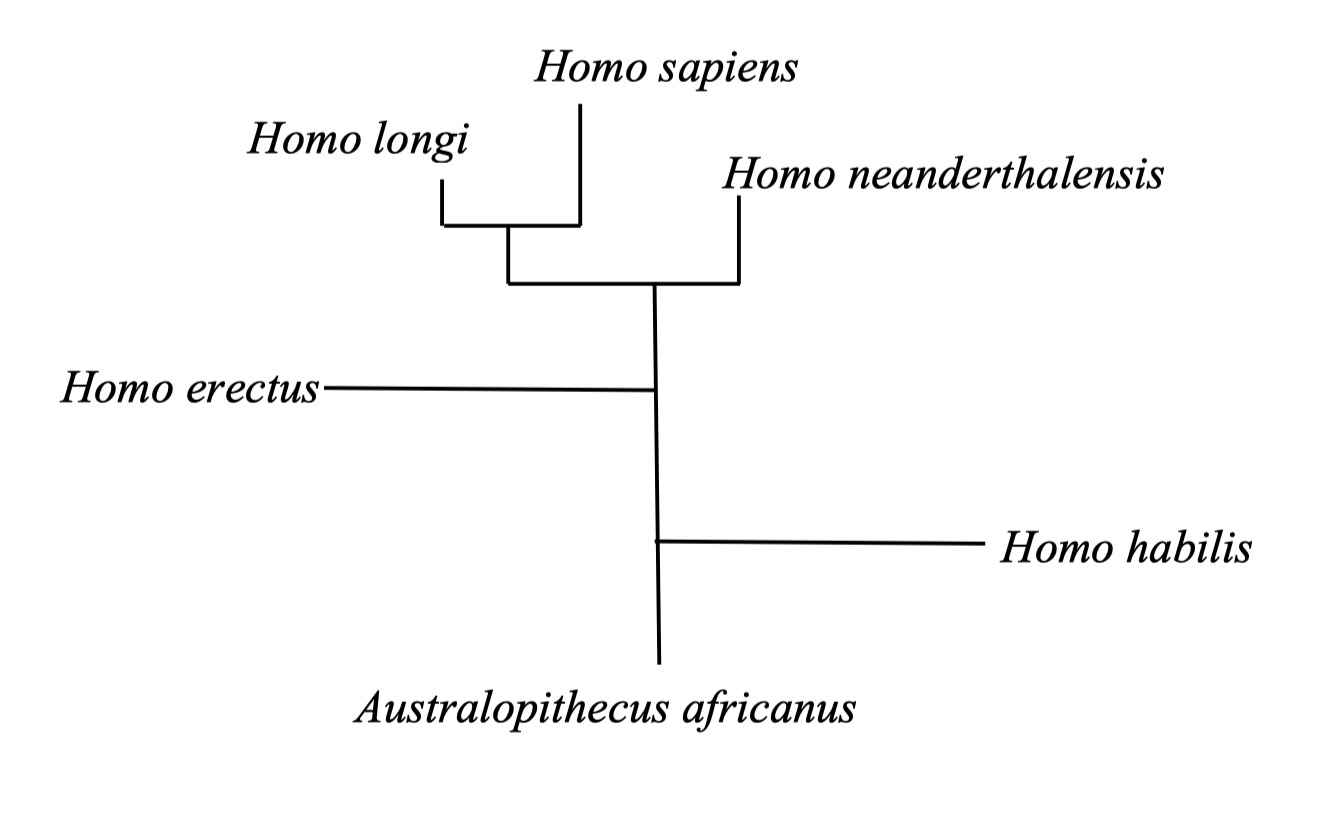
b. Identify two pieces of information that could be concluded from the student’s diagram.
2 marks
c. There are many examples of phylogenetic trees relating to human ancestry, but they all tend to be slightly different.
Provide one reason to explain why differences occur.
1 mark
d. Complete the table below by identifying how the skull and limbs of H. longi would be expected to compare to those of a modern human. Apply your understanding of trends in the evolution of hominin species.
3 marks
| H. longi feature | Comparison with modern human |
| Cranial capacity (brain size) | |
| Brow ridges | |
| Limb structure |
What is CRISPR, the gene editing technology that won the Chemistry Nobel prize?
CRISPR technology is adapted from a system that is naturally present in bacteria and other unicellular organisms known as archaea.
This natural system gives bacteria a form of acquired immunity. It protects them from foreign genetic elements (such as invading viruses) and lets them ‘remember’ these in case they reappear.
…
In 1987, Japanese molecular biologist Yoshizumi Ishino and his colleagues were the first to notice, in E. coli bacteria, unusual clusters of repeated DNA sequences interrupted by short sequences. Spanish molecular biologist Francisco Mojica and colleagues later showed similar structures were present in other organisms and proposed to call them CRISPR: Clustered Regularly Interspaced Short Palindromic Repeats. In 2005, Mojica and other groups reported the short sequences (or ‘spacers’) interrupting the repeats were derived from other DNA belonging to viruses.
Evolutionary biologists … eventually proposed CRISPR and the associated Cas9 genes were acting as the immune mechanism.
…
The CRISPR-associated genes, Cas9, encode a protein that ‘cuts’ DNA. This is the active part of the defence against viruses, as it destroys the invading DNA.
In 2012, [Emmanuelle] Charpentier and [Jennifer] Doudna showed the spacers acted as markers that guided where Cas9 would make a cut in the DNA. They also showed an artificial Cas9 system could be programmed to target any DNA sequence in a lab setting.
This was a ground-breaking discovery which opened the door for CRISPR’s wider applications in research.
…
Humans have altered the genomes of species for thousands of years. Initially, this was through approaches such as selective breeding.
However, genetic engineering – the direct manipulation of DNA by humans outside of breeding and mutations – has only existed since the 1970s.
CRISPR-based systems fundamentally changed this field, as they allow for genomes to be edited in living organisms cheaply, with ease and with extreme precision.
CRISPR … has great potential in food production. It can be used to improve crop quality, yield, disease resistance and herbicide resistance. Used on livestock, it can lead to better disease resistance, increased animal welfare and improved productive traits – that is, animals producing more meat, milk or high-quality wool.
A number of challenges to the technology remain, however. Some are technical, such as the risk of off-target modifications.
Source: Excerpt taken from D. Perrin, Queensland University of Technology, ‘What is CRISPR, the gene editing technology that won the Chemistry Nobel prize?’ The Conversation, 8 October 2020, <https://theconversation.com/what-is-crispr-the-
gene-editing-technology-that-won-the-chemistry-nobel-prize-147695>
a. Identify two ways in which the CRISPR-Cas9 system is similar to the human immune system.
2 marks
b. Explain how the CRISPR-Cas9 system carries out immunity functions in bacteria.
3 marks
c. The use of CRISPR-Cas9 may result in off-target modifications. What is an off-target modification?
1 mark
d. Why would an off-target modification be a matter of concern to scientists?
1 mark
e. Identify one way in which crop yields can be improved by using CRISPR-based systems.
1 mark
f. Identify one way in which animal productive traits can be improved using CRISPR-based systems.
1 mark
g. The article states that CRISPR-based systems fundamentally changed the field
of genetic engineering because ‘they allow for genomes to be edited in living organisms cheaply, with ease and with extreme precision’.
Explain how CRISPR-based systems can be used with ease and extreme precision.
2 marks
Question 10 (13 marks)
Catalase is an enzyme that catalyses the reaction in which hydrogen peroxide is broken down into oxygen and water. This enzyme is found in many plant and animal cells.
A student carried out an experiment regarding the breakdown of hydrogen peroxide to determine the effect that changing temperature had on the rate of the reaction. The student hypothesised that the reaction rate would increase until the temperature reached 37 °C and would then decrease.
The experiment was carried out by placing cylinders of potato into solutions containing hydrogen peroxide. The oxygen produced during the reaction caused a foam to form on top of the solution. The height of the foam was measured and used to determine the rate of the reaction.
Five test tubes were prepared, each containing 15 mL of the same hydrogen peroxide solution. Five water baths were also prepared at different temperatures: 10 °C, 20 °C, 30 °C, 40 °C and 50 °C.
One of each test tube was placed into each water bath for a period of two minutes. During this time, a potato cylinder was cut into five equal pieces.
One piece of potato was placed into each test tube. After one minute, the height of the foam in each test tube was recorded.
| Temperature (°C) | Height of foam (mm) |
| 10 | 2.4 |
| 20 | 4.5 |
| 30 | 9.0 |
| 40 | 10.4 |
| 50 | 11.8 |
a. State the independent and dependent variables in this experiment.
2 marks
b. Analyse the results of the experiment.
3 marks
c. Explain whether the results of the experiment support the prediction made by the student.
2 marks
d. When marking their work, the teacher advised the student that their method would not enable them to accurately test their hypothesis.
Use the information supplied to explain why the teacher’s feedback was correct.
1 mark
e. Identify another limitation in this method. Suggest an improvement that the student could make to address this limitation.
2 marks
The student produced the following graph of their results.
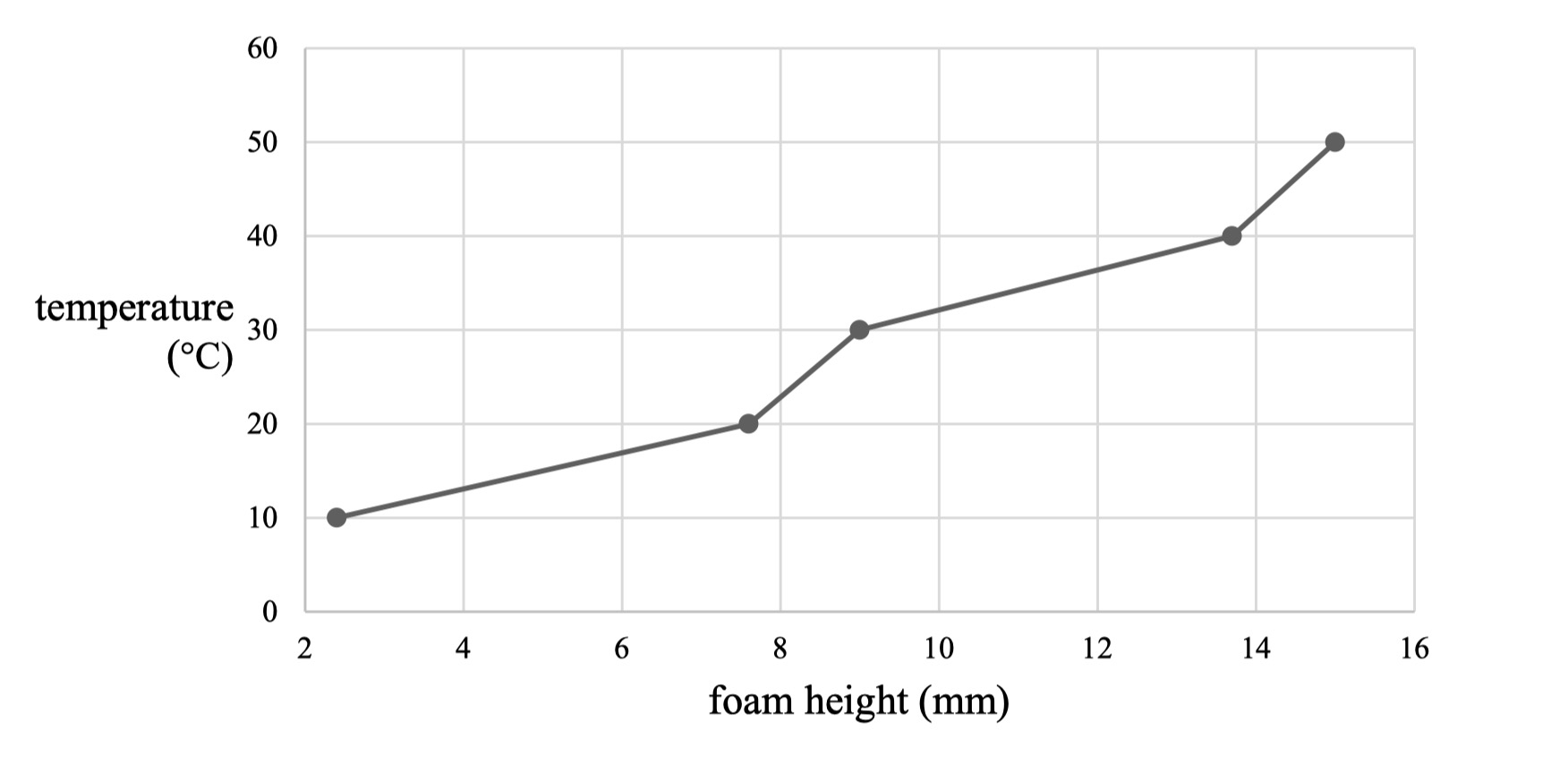
f. The student made a fundamental error in the graphical presentation of their data. Identify this error.
1 mark
g. State two variables, other than the way in which the height was measured, that were controlled in this experiment.
2 marks