Section A
40 marks
Question 1
Haemoglobin is a protein that is found in blood cells that contains iron, which enables the molecule to transport oxygen. Which of the following protein structures is illustrated in the image below?
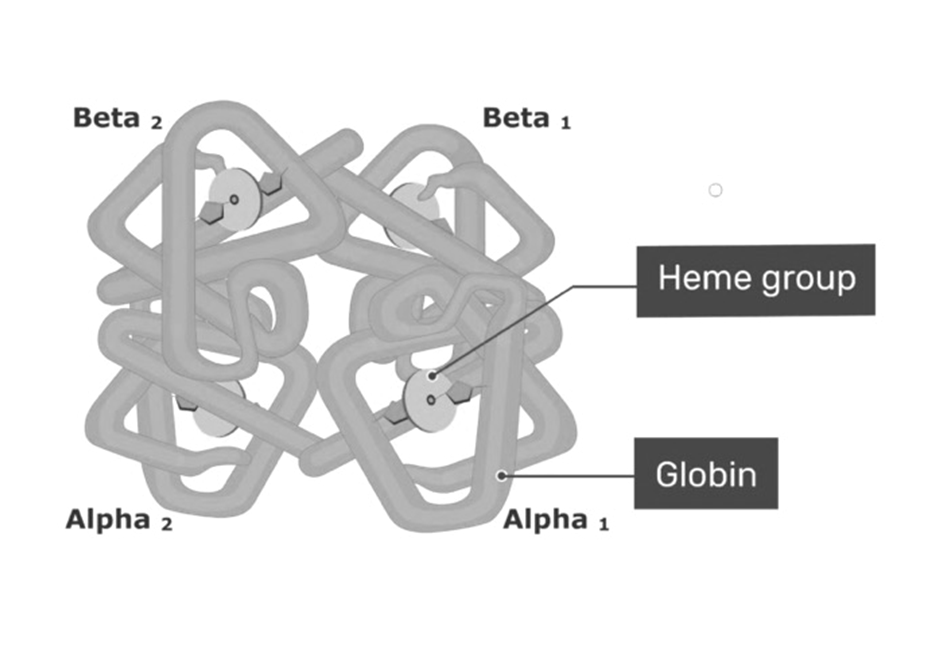
Source: https://www.getbodysmart.com/respiratory-gases-and-their-transport/hemoglobin-structure
A. primary
B. secondary
C. tertiary
D. quaternary
Question 2
Which of the following nucleic acids does not contain a ribose sugar?
A. DNA
B. mRNA
C. tRNA
D. rRNA
Question 3
The DNA of all organisms contain the same nitrogenous bases. This indicates that the genetic code is
A. redundant.
B. universal.
C. degenerate.
D. degenerative.
Use the following information to answer Questions 4 and 5.
Consider the following animal cell.
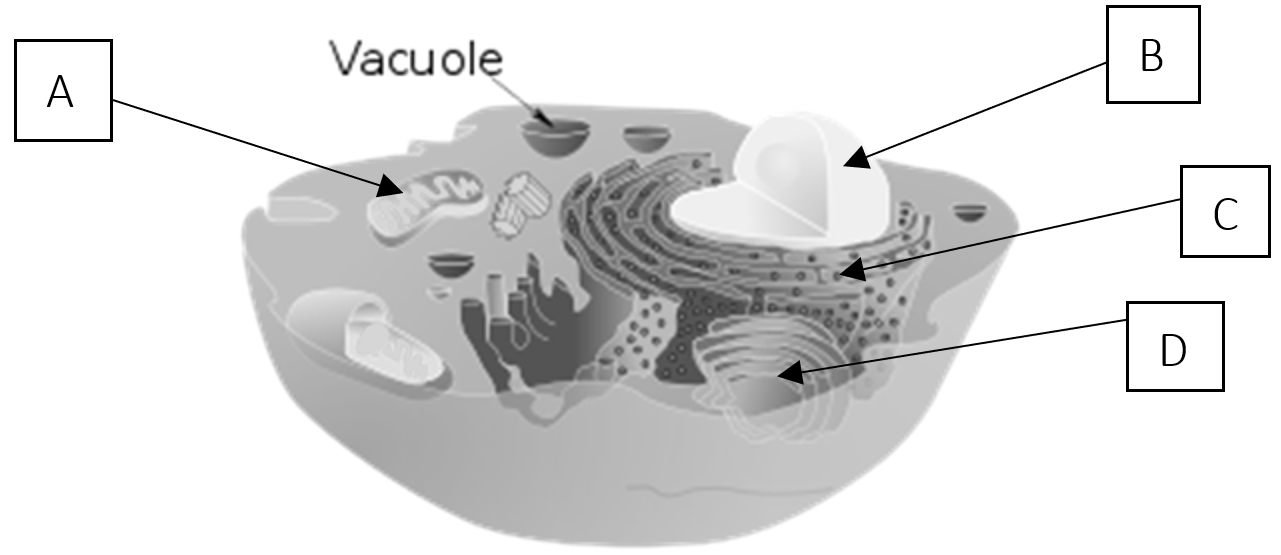
Source: https://www.pngwing.com/en/free-png-xmmmq
Question 4
The primary process occurring at structure A would be
A. anaerobic respiration.
B. photosynthesis.
C. ATP synthesis.
D. DNA synthesis.
Question 5
Which organelle is responsible for the final packaging of proteins for export from the cell?
A. A
B. B
C. C
D. D
Question 6
Which of the following describes a duty- and/or rule-based approach to resolving ethical issues?
A. is concerned with how people act (the means) and places central importance on the idea that people must act in a particular way, regardless of the consequences that may be produced.
B. an approach that places central importance on the consideration of the consequences of an action (the ends), with the aim to achieve maximisation of positive outcomes.
C. is concerned with the moral character of the person carrying out the action, providing guidance about the characteristics and behaviours a good person would seek to achieve to then be able to act in the right way.
D. none of the above.
Question 7
| mRNA level | AAG | AAA | UAG | AGG |
|---|---|---|---|---|
| Protein level | Lys | Lys | STOP | Arg |
Referring to the table, the DNA triplet corresponding to the STOP codon would be
A. UAG.
B. UTC.
C. ATC.
D. GTC.
Question 8
The trp operon contains an operator region where
A. RNA polymerase binds.
B. the repressor binds.
C. structural genes form.
D. coding for enzyme production occurs.
Question 9
RNA processing occurs in the
A. nucleus.
B. ribosome.
C. rough endoplasmic reticulum.
D. cytosol.
Question 10
Acetylcholinesterase (AChE) is an enzyme that is found at the synapse of nerves and muscles that has the function of breaking down acetylcholine to ensure proper muscle contraction and relaxation. An individual was admitted to hospital with organophosphate poisoning that causes excess acetylcholine to accumulate. This demonstrates
A. acetylcholinesterase is an organic catalyst.
B. acetylcholine is an organic catalyst.
C. organophosphates are biological catalysts.
D. acetylcholine breaks down the organophosphates.
Question 11
The acceptor molecule NAD⁺ is involved in cellular biochemical processes. It is correct to state that
A. NAD⁺ is found in the grana.
B. NAD⁺ becomes NADH in the stroma.
C. NAD⁺ becomes NADPH in the Krebs cycle.
D. NAD⁺ becomes loaded NADH in cellular respiration.
Question 12
The diagram below shows a biological process.
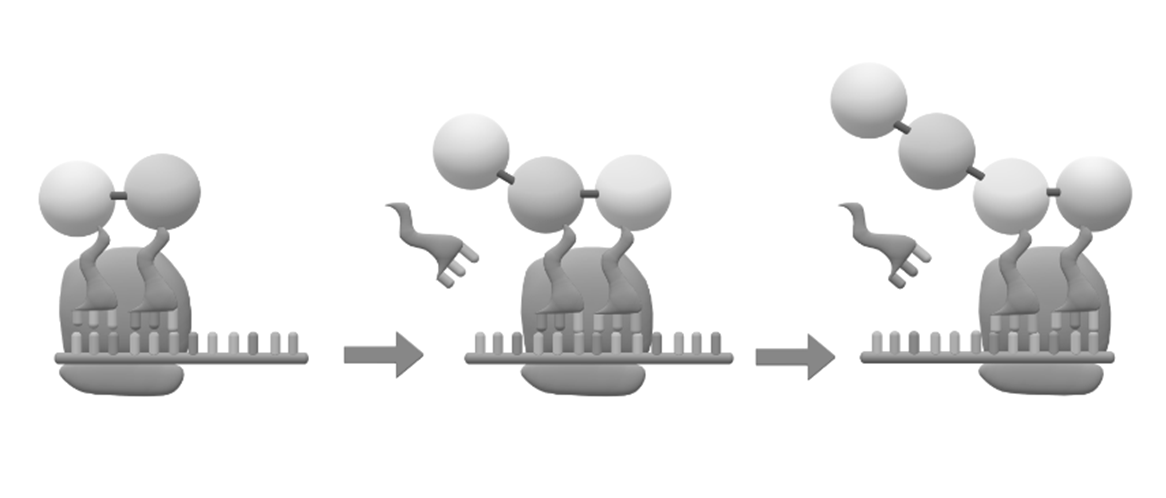
Source: https://upload.wikimedia.org/wikipedia/commons/thumb/3/37/_.png/1200px-.png?20201230224554
The circles in the diagram represent
A. tRNA.
B. peptide bonds.
C. amino acids.
D. nucleic acids.
Question 13
An example of a systematic error in an experiment could be
A. writing down a measured volume using incorrect units.
B. repeating an experiment.
C. mis-reading a measuring tool when taking a single reading.
D. incorrectly calibrating equipment prior to use.
Question 14
Endonucleases can be described as
A. circular DNA that are isolated from bacteria.
B. enzymes that cut DNA.
C. bacterial plasmids.
D. nucleic acids that are derived from bacteria.
Use the following gel electrophoresis to answer Questions 15 and 16.
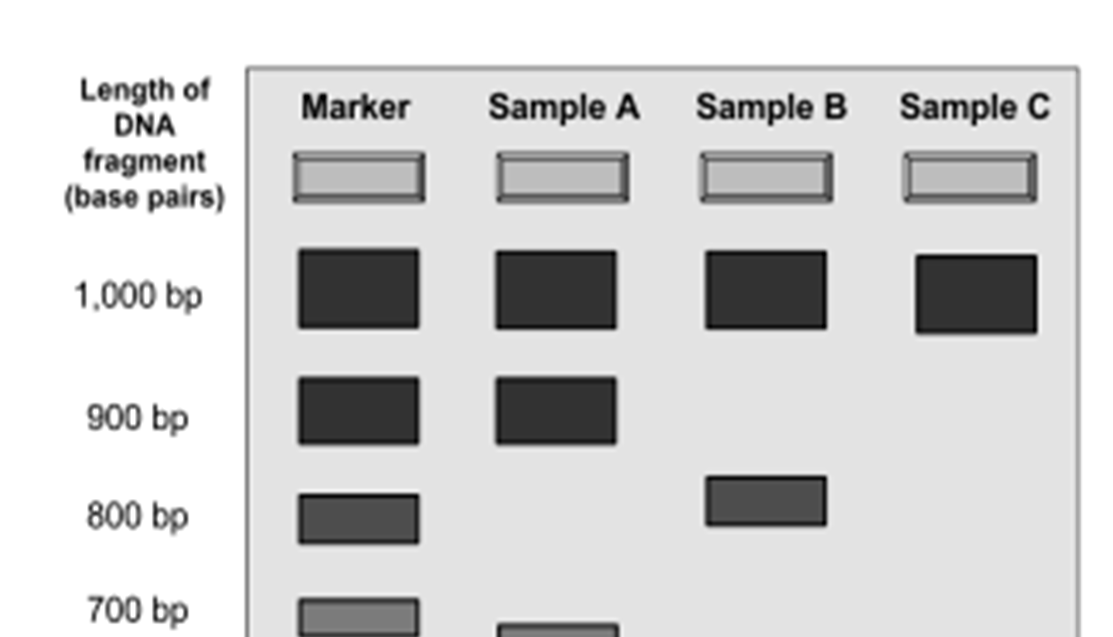
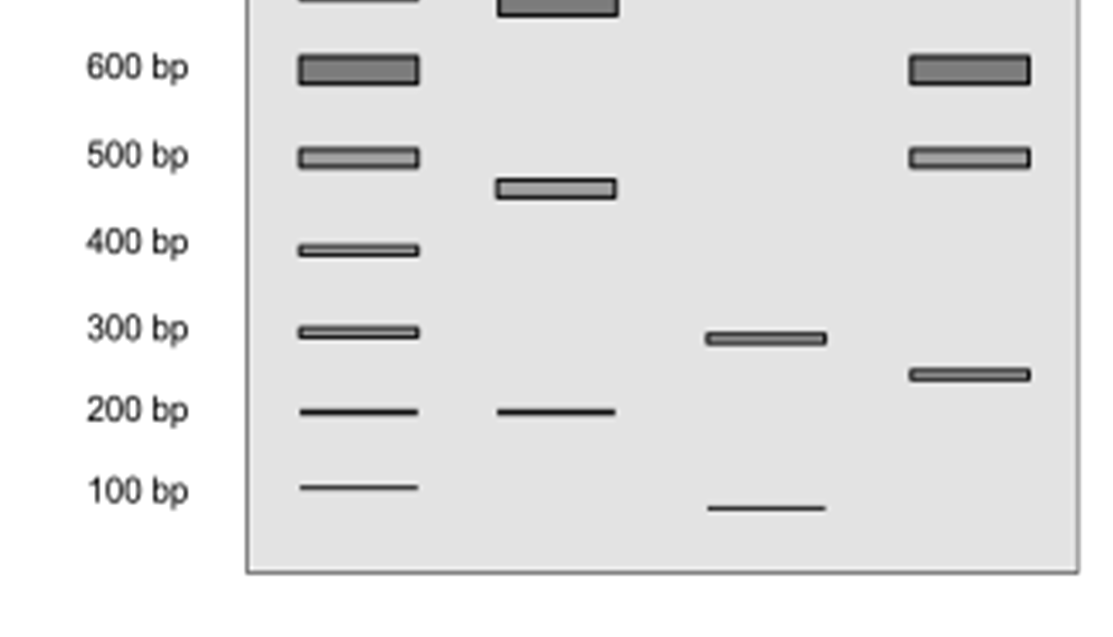
Source: https://commons.wikimedia.org/wiki/File:Gel_Electrophoresis.svg
Question 15
Using the gel electrophoresis, which of the following statements is correct?
A. sample A was approximately 1900 bp long
B. sample B was cut with a restriction enzyme that produced three strands of DNA
C. sample C was approximately 2350 bp long
D. sample A was cut with a restriction enzyme that produced three strands
Question 16
The best explanation for the DNA samples in wells A, B and C separating is that
A. DNA has a positive charge.
B. the positive electrode is attached to the same end as the well.
C. DNA has a negative charge.
D. the negative electrode is attached to opposite end of the well.
Question 17
CRISPR is a gene editing technology that can be used to manipulate an individual’s DNA. It involves the use of the Cas9 enzyme that is found in and isolated from bacteria. The purpose of the Cas9 enzyme in bacteria is to
A. catalyse the joining of the bacteria’s DNA.
B. increase bacterial cellular respiration.
C. cut viral DNA that has infected the bacteria.
D. promote the lysis of the bacteria.
Use the following information to answer Questions 18 and 19.
Polymerase Chain Reaction (PCR) is a frequently used technique to amplify DNA that requires high temperatures at its various stages.
Question 18
In one of the steps of PCR, the purpose of heating DNA to 95°C is to
A. enable the functioning of Taq polymerase.
B. catalyse the joining of the primer.
C. catalyse the joining of the free nucleotides.
D. denature the DNA.
Question 19
In PCR, which of the following is used in order to catalyse the joining of nucleotides to the growing DNA strand?
A. DNA ligase
B. DNA polymerase
C. Taq polymerase
D. free nucleotides
Question 20
Biofuel can be described as the conversion of biomass into a liquid using
A. anaerobic fermentation.
B. aerobic fermentation.
C. yeast fermentation.
D. viral respiration.
Question 21
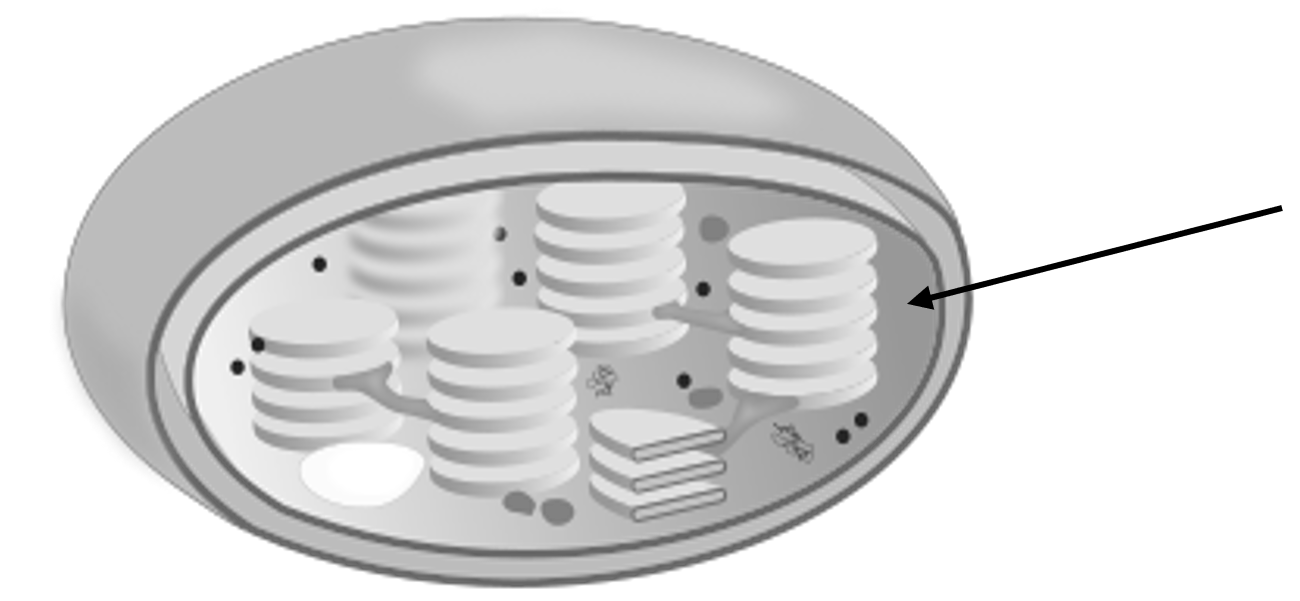
Source: https://commons.wikimedia.org/wiki/File:Chloroplast-drawing.svg
The above diagram of a chloroplast has an arrow that points to the location where
A. protein synthesis occurs.
B. the light-dependent stage of photosynthesis occurs.
C. the light-independent stage of photosynthesis occurs.
D. the splitting of water occurs.
Use the following information to answer Questions 22 and 23.
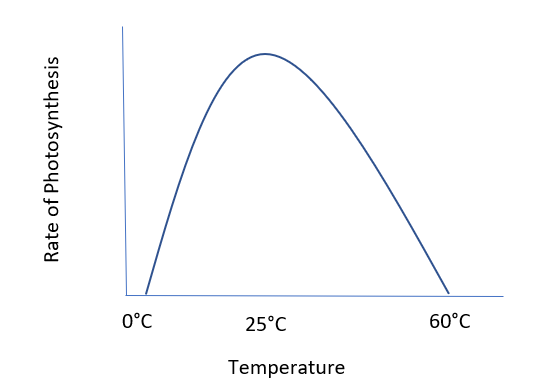
A group of students performed an experiment using Elodea (a water-based plant) leaves and monitored oxygen production levels as a reflection of the photosynthetic rate. The light exposure was kept constant throughout the experiment. They graphed their results as shown below:
Question 22
The graph shows that the hypothesis that students were most likely testing is
A. that the limiting factor is the rate of photosynthesis.
B. that increasing the temperature above 25°C increases photosynthesis.
C. that a temperature above 60°C will cause photosynthetic enzymes to slow down.
D. that increasing the temperature above 25°C will lead to a reduction of the photosynthetic rate due to an increase in the denaturation of photosynthetic enzymes.
Question 23
The most likely explanation for the lower photosynthetic rate at lower temperatures is
A. that the kinetic energy of the enzymes that are involved in photosynthesis has decreased.
B. the presence of a competitive inhibitor.
C. that the enzymes that are involved in photosynthesis have denatured.
D. that the active site of the enzyme can no longer bind to its substrate.
Question 24
C₃ plants use the enzyme Rubisco to convert carbon dioxide into glucose in the Calvin cycle; however, Rubisco can also bind to oxygen, resulting in photorespiration. Photorespiration is likely to occur when
A. the stomata are open.
B. in the presence of high quantities of water.
C. the temperature is high.
D. the CO₂ concentration is high.
Question 25
The outputs of glycolysis include
A. NADPH, ATP and pyruvate.
B. NAD, ATP and pyruvate.
C. NADH, ADP+Pi and glucose.
D. NADH, ATP and pyruvate.
The function of natural killer cells and cytotoxic T cells can be described as
A. inducing apoptosis in virally infected cells.
B. coating extracellular pathogens with proteins to attract other immune cells.
C. creating immunological memory.
D. antibody-secreting cells.
Question 27
The second line of defence of the immune system in humans includes
A. complement proteins.
B. non-pathogenic bacteria.
C. mucus membranes.
D. sweat, tears and saliva.
Question 28
The adaptive immune system in humans does not include
A. natural killer cells.
B. cytotoxic T cells.
C. immunological memory.
D. specificity.
Question 29
The best description of the function of lymph nodes is that they are where
A. B cells mature.
B. T cells mature.
C. antigen presentation occurs.
D. red blood cells are filtered.
Question 30
Transplanted organs can be identified by a recipient’s body as foreign. Cyclosporin is an immune- suppression drug given to transplant patients. Cyclosporin would most likely help to
A. increase antigen presentation to white blood cells.
B. increase a recipient’s ability to accept the transplanted organ.
C. increase the ability of the immune system to recognise self-cells.
D. increase antibody production toward the transplanted organ.
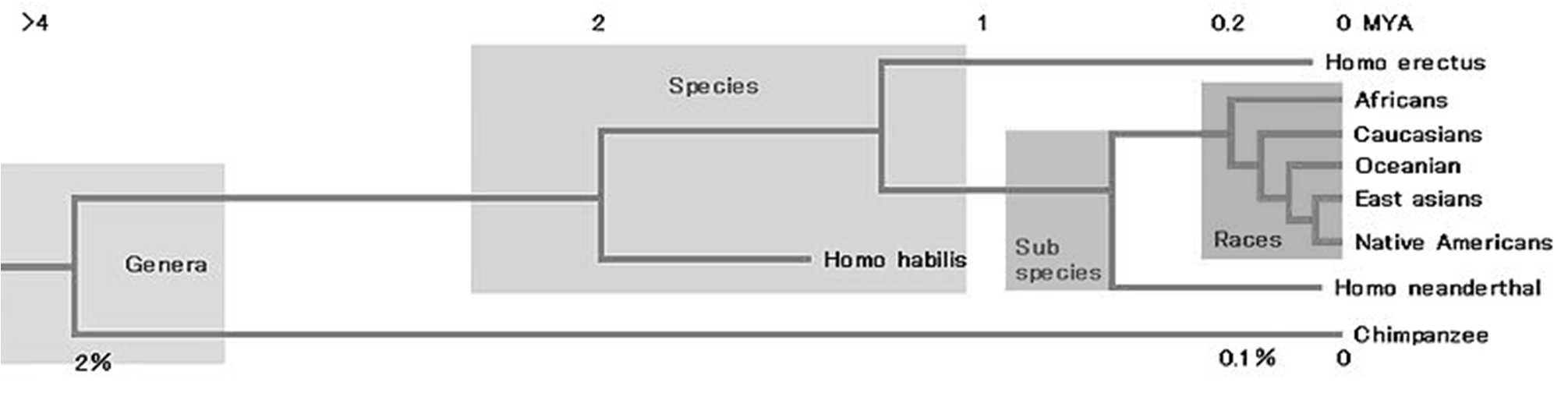
Source: https://commons.wikimedia.org/wiki/File:Human_evolutionary_tree.jpg
Using the above phylogenetic tree, which of the following is correct?
A. East Asians are most closely related to Oceanians
B. Homo erectus diverged from a common ancestor approximately 1.2 MYA
C. Homo neanderthalensis and Chimpanzees would have more similar DNA sequences than Africans and Native Americans
D. Homo habilis diverged from a common ancestor approximately 4 MYA
Question 32
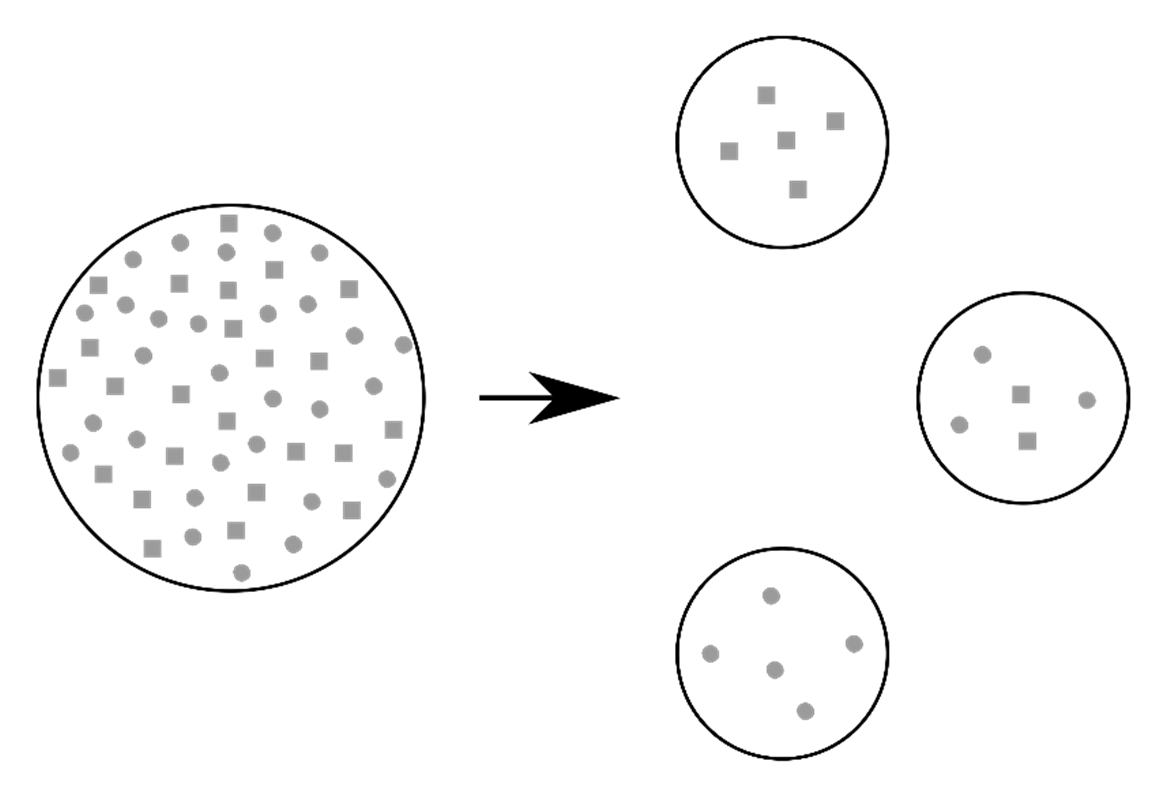
Source: https://upload.wikimedia.org/wikipedia/commons/thumb/7/77.svg/996px-.svg.png?20201009135937
The above image shows different allele frequencies in different population groups. The squares and circles represent individuals with different alleles for a trait. The three smaller populations migrated from the parent population to various locations that were unpopulated. The diagram is an example of
A. gene flow.
B. the bottleneck effect.
C. mutation.
D. the founder effect.
Question 33
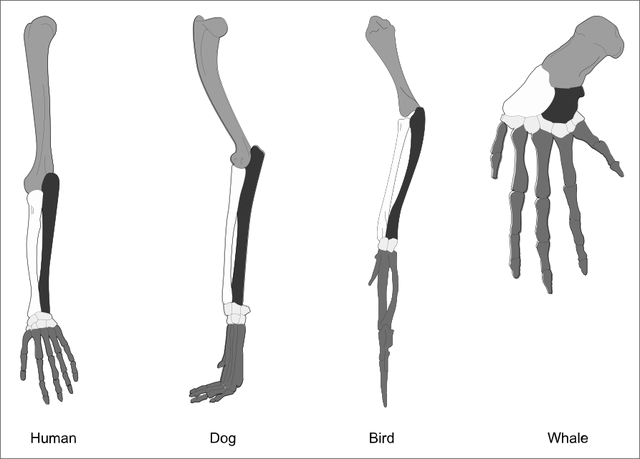
Source: https://commons.wikimedia.org/wiki/File:_vertebrates-en.svg
The image above shows four limbs of different species that share a recent common ancestor. This is an example of
A. analogous structures.
B. homologous structures.
C. comparative embryology.
D. similarity in amino acid sequencing.
Question 34
Asiatic cheetahs (Acinonyx jubatus venaticus) and African cheetahs (Acinonyx jubatus) are both threatened species due to climate change, habitat destruction and predation by humans. This has led to cheetahs inbreeding. They also have a low reproduction success rate. The genetic drift of these small Cheetah populations could result in extinction.
Adapted from: https://education.nationalgeographic.org/resource/cheetahs-brink-extinction-again
Which of the following factors would naturally increase their chances of surviving a possible species- specific virus?
A. increasing the genetic diversity of the population
B. decreasing gene flow between populations
C. further inbreeding with greater reproductive success
D. human intervention through selective breeding
Question 35
One problem with farmers selectively breeding cows for high quality meat is that
A. organisms with favourable phenotypes can be bred.
B. it causes an increase in the range of alleles in a population.
C. it reduces the genetic diversity of the cow population.
D. it increases an organism’s ability to adapt to environmental change.
Question 36
Which of the following is not a characteristic of an index fossil?
A. short-lived
B. abundant
C. wide geographic distribution
D. found in many different rock strata
Small changes in the genetic composition of a virus’ genome due to mutations can result in
A. antigenic drift.
B. antigenic movement.
C. antigenic shift.
D. antigenic recombination.
Question 38
A virus’ reproductive number has been a well-used term throughout the COVID-19 pandemic; it indicates how many people will be infected by an infected person, on average. Measles has an R0 value of 18 in contrast to COVID-19’s 3.5.
Source: https://www.medscape.com/answers/2500117-197541/what-is-the-r-naught-of-coronavirus-disease-2019-covid-19
This means that
A. measles is 18 times more pathogenic than COVID-19.
B. for every COVID-19 case, there are 3.5 times more measles cases.
C. for every COVID-19 case, there are 18 people who are expected to become infected.
D. for every measles case, 18 people are expected to become infected.
Question 39
Human Immunodeficiency Virus (HIV) is a blood-borne viral disease that emerged from chimpanzees. The most effective means of controlling the spread of HIV would be to
A. create antimicrobial drugs against the virus.
B. encourage frequent hand washing.
C. encourage mask wearing.
D. create a vaccine against HIV.
Question 40
Hominins
A. include humans and the great apes.
B. are bipedal.
C. branch to include hominoids.
D. have smaller brains than hominoids.
Section B
80 marks
Question 1 (9 marks)
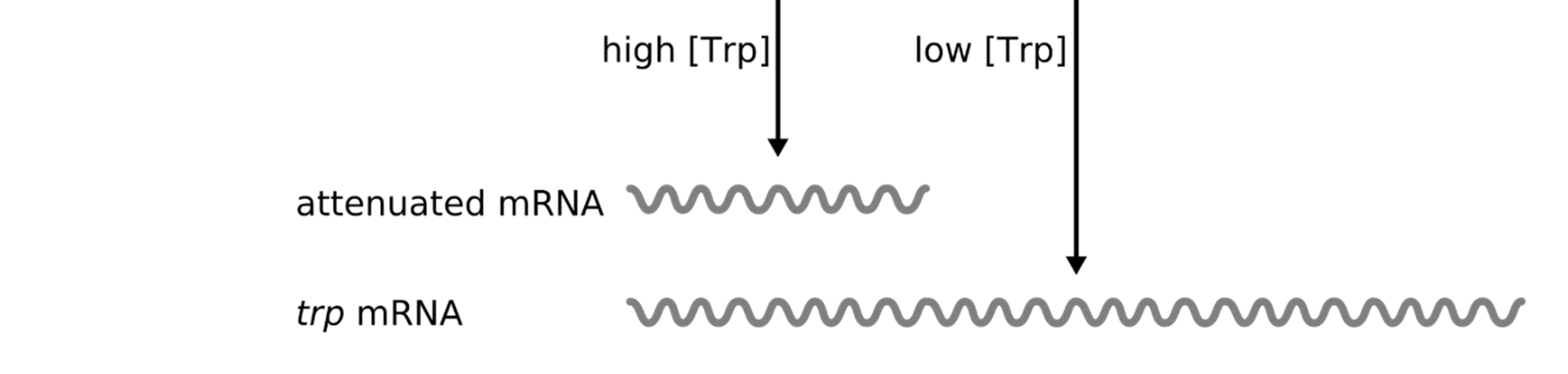
E. coli bacteria have mechanisms to change their metabolism based on the environment. One metabolic pathway regulated by E. coli is tryptophan production. Tryptophan is an amino acid that is needed to build the proteins that are required to sustain the life of the organism. The image below shows the components of the trp operon.
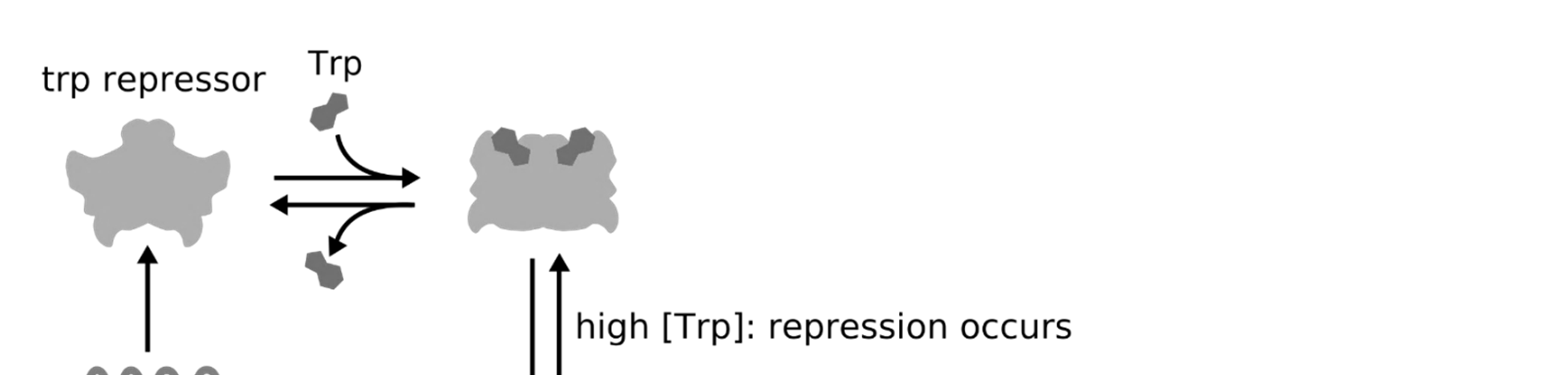
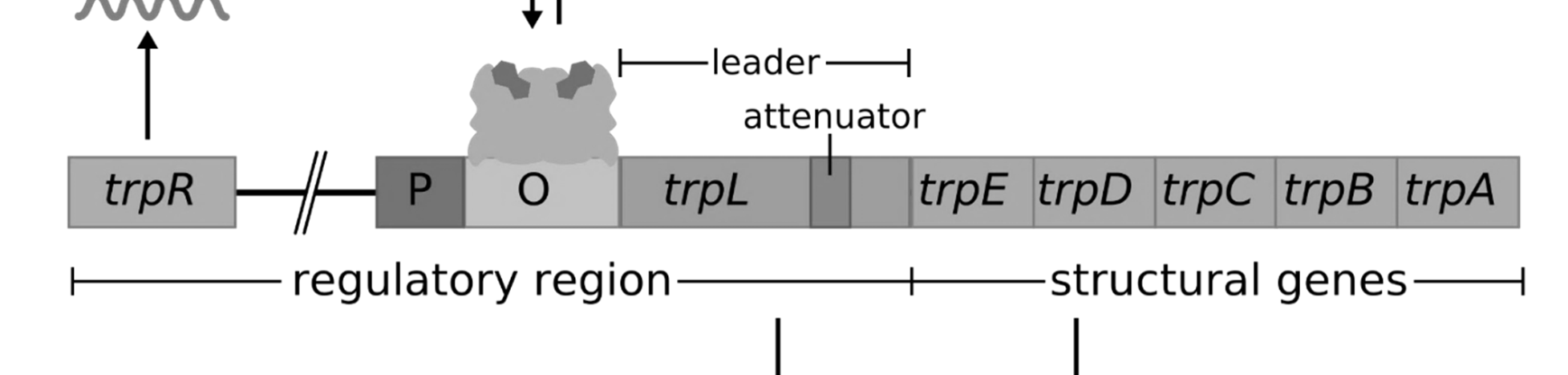
Source: https://upload.wikimedia.org/wikipedia/commons/thumb/9/95/Trpoperon.svg/2560px-Trpoperon.svg.png
a. Describe the function of the promoter region (P) in the diagram above. 1 mark
b. Explain the likely impact of a nonsense mutation in the regulatory region of the trp operon.
c. Outline the process that occurs in E. coli when tryptophan is absent from its external environment.
4 marks
4 marks
Question 2 (8 marks)
Insulin, a hormone that is required for efficient glucose uptake by cells, is one protein that scientists have been able to reproduce through cloning the gene for insulin production. It involves the use of EcoR1, which was isolated from bacteria; it contains 277 amino acids, three of which are involved in severing bonds in the sequence GAATTC to isolate the insulin gene. It is a commonly used DNA manipulation tool.
Source: https://cbm.msoe.edu/images/contentImages/smartTeams/alumni/2012-13/Milwaukee%20Academy%20of%20Science.pdf
a. Name the EcoR1 DNA manipulation tool and explain its function in obtaining the insulin gene.
2 marks
b. EcoR1 is an essential component of some bacteria’s proteomes. Define ‘proteome.’ 1 mark
c. Outline how the gene for human insulin is cloned using gene cloning. 5 marks
CONTINUES OVER PAGE
Question 3 (8 marks)
A group of students conducted an investigation to observe what happens when yeast is supplied with sucrose in a sealed environment. In their experiment, they used lime water which is typically colourless. When carbon dioxide gas is passed through lime water, the lime water becomes milky due to the formation of white insoluble calcium carbonate. The following method was used:
Method
- Place 10g of sucrose solution into a flask.
- Add 100ml of lukewarm water and stir until dissolved.
- Add 2g of yeast to the sucrose solution and add a layer of paraffin oil to create an anaerobic environment, sealing the conical flask with a rubber stopper containing one hole.
- Connect tubing to the rubber stopper and to a separate flask containing lime water. The tubing end that enters the separate flask should be submerged in the limewater.
- Record observations of the sucrose and limewater solutions.
The students recorded their results in Table 1.
Table 1. Observations
| Solution | Observation |
| Sucrose solution | Colour change from clear to brown liquid |
| Limewater solution | Colour change from clear to white liquid. Formation of precipitate. Bubbles produced from tubing end submerged in limewater. |
a. Name the biochemical reaction that was occurring in the yeast. 1 mark
b. In the limewater solution, the students recorded the presence of bubbles of what gas?
c. Apart from the gas that was produced, state one other output of this process that was not measured in this experiment.
1 mark
1 mark
d. Explain the purpose of this biochemical reaction in yeast with reference to ATP production.
e. The students decided to alter the experiment to see what would happen if they repeated the experiment at different temperatures. They decided to monitor the production of the gas by observing the height of bubbles that are produced from the flask containing the limewater over 60 seconds. Their results are provided in Table 2.
Table 2. Results
| Temperature (°C) | Height of bubbles |
| 35 | High |
| 50 | Moderate |
| 60 | Low |
Analyse the students’ results and explain the difference in the results between 35oC and 60oC.
2 marks
3 marks
Question 4 (6 marks)
Photosynthesis uses inorganic compounds to produce the organic compound glucose. There are three main groups of photosynthetic plants that differ in the ways in which they undertake the Calvin cycle – CAM, C₃ and C₄ plants. C₃ photosynthesising plants are the most abundant on Earth.
a. Complete the table below comparing C₃ and C₄ plants.
| C₃ Plants | C₄ Plants | |
| Carbon Dioxide‐ Fixing Enzyme | ||
| Location of Calvin Cycle |
b. CRISPR-Cas9 is a gene-editing technology that can be used to increase photosynthetic efficiency.
Suggest what CRSIPR-Cas9 might target to reduce photorespiration in C₃ plants and, therefore, how this may improve photosynthetic efficiency.
4 marks
2 marks
Question 5 (5 marks)
In Australia, canola can be genetically modified to be resistant to the common herbicide glyphosate. Its modification involves the insertion of a gene called the ‘GOX’ gene, isolated from a bacterium.
The gene codes for an enzyme that enables the modified canola to break down the herbicide. Agrobacterium tumefaciens bacteria contain a plasmid, called the Ti plasmid (tumour-inducing), that is used to transport the ‘GOX’ gene into the canola.
Source: https://en.wikipedia.org/wiki/Genetically_modified_canola
a. Name the vector that is used to produce GM canola and justify your reasoning. 2 marks
b. Explain the difference between a genetically modified organism and a transgenic organism and justify why GM canola is considered transgenic.
3 marks
Question 6 (11 marks)
COVID-19 was once an emerging disease caused by an enveloped single-stranded RNA virus. Infection occurs when the virus uses its S spike proteins to enter into cells via the ACE2 receptor. The viral RNA is then translated and suppresses the host cell’s RNA so that it can translate its own.
Adapted from: https://www.nature.com/articles/d41586-021-02039-y
a. Outline how viral RNA is translated. 4 marks
b. Complete the following table by explaining the roles of the different organelles in the production of proteins that are associated with the structure of COVID-19.
3 marks
| Organelle | Role |
| Endoplasmic Reticulum | |
| Golgi Body | |
| Vesicles | |
c. Explain what is meant by an emerging disease. 1 mark
d. The Australian COVID-19 vaccination programme involved the phased roll-out of the vaccine. Aboriginal and Torres Strait Islander peoples were one of the first to be offered the vaccine; however, uptake in this population was quite low as of November 2021.
2 marks
Source: https://www1.racgp.org.au/newsgp/clinical/aboriginal-and-torres-strait-islander-covid-vaccin
Explain what type of immunity is conferred through COVID-19 vaccination.
e. Outline one strategy that could have been used to increase vaccine uptake by Indigenous Australians.
1 mark
Question 7 (7 marks)
Systemic Lupus Erythematosus (SLE) is an autoimmune disease that produces widespread inflammation in many organs of the human body. It is thought to be triggered by both genetic (in susceptible individuals) and/or environmental factors (such as UV radiation, viruses, medications and oestrogen). The disease causes antigen-antibody complexes to form and deposit in tissues and organs, which produces inflammation. Scientists have found that B cells play a significant role in contributing to this disease with almost all affected individuals showing the presence of specific antibodies, called antinuclear antibodies, in their blood and tissues.
Source: https://www.healthline.com/health/systemic-lupus-erythematosus#causes
a. Explain the role of B cells in producing antinuclear antibodies in SLE. 3 marks
b. Recently, scientists have produced a monoclonal antibody treatment for SLE that targets the CD20 protein on B cells. CD20 is involved in B cell activation and proliferation. The monoclonal antibody that is produced induces lysis, depleting B cells and, therefore, reducing the symptoms of SLE.
Explain how monoclonal antibodies are produced and how it may be effective in treating SLE.
4 marks
Question 8 (8 marks)
Bordetella pertussis is a gram-negative bacterium that causes whooping cough, a severe respiratory infection. It can be deadly in babies under the age of one year old. The pathogen causes disease by releasing toxins that damage cilia, leading to the inflammation of the airways; this causes coughing, a runny nose and, later in the disease progression, vomiting as well as coughing fits that produce high-pitched whooping sounds. In babies, they may not cough at all but, instead, completely stop breathing. Family members, such as parents, grandparents and siblings of the babies, are often the cause of the baby’s infection.
Babies can be vaccinated from the age of six weeks old with five shots, occurring between the ages of six weeks and four years. This provides protection that lasts for approximately 10 years, with a booster shot given as part of the high school vaccination programme in year seven.
A free vaccination programme was introduced to help reduce the spread and the severity of the disease. It targeted pregnant women from 20-31 weeks gestation and their partners and/or primary carers, who are all eligible for free vaccination.
Source: https://www.health.vic.gov.au/immunisation/parents-whooping-cough-vaccine-program-for-health-professionals
a. Name the most likely primary mode of transmission of the pathogen that causes whooping cough. Justify your answer.
2 marks
b. Outline how scientists identified Bordetella pertussis as a gram-negative bacterium. 2 marks
c. Explain the importance of women being vaccinated while pregnant. Reference both the mother and her child in your response.
d. Define herd immunity and suggest an improvement to this vaccination programme that could contribute to herd immunity.
2 marks
2 marks
Question 9 (6 marks)
Australia and Papua New Guinea were once joined by a land bridge with the supercontinent Sahul. Our African ancestors are thought to have migrated to Sahul and spread from east to west perhaps 50,000 years ago. This was revealed by DNA studies that were conducted on Aboriginal and Torres Strait Islander peoples. These studies also showed a large amount of genetic variation between the various populations around Australia.
Discovered in 1974, Mungo Man is the oldest human fossil skeleton that has ever been found in Australia and is dated to be 42,000 years old.
Scientists studied his burial site, finding that he was very carefully and ritually laid out and sprinkled with red ochre upon his death.
Source: https://commons.wikimedia.org/wiki/File:Mungo_Man.jpg
a. Name the absolute dating technique that was most likely used to date Mungo Man. Explain your reasoning.
2 marks
b. Outline three requirements for fossil formation. 3 marks
c. Suggest one reason for the high amount of genetic diversity amongst Indigenous Australians.
1 mark
Question 10 (5 marks)
Lord Howe Island is a very small island that is located east of mainland New South Wales. It has been geographically isolated for a long time and is home to two species of palm trees – Howea belmoreana and Howea forsteriana – that grow closely to each other but are reproductively isolated. Scientists have genetically analysed the two species to try to determine how they came to be different species. They found that they both originated from one species on the island, with no evidence of geographical isolation between the two species; however, they have different flowering times. Research has shown that H.belmoreana and H.forsteriana prefer different soil types and this has influenced each species’ flowering time. Scientists have suggested this difference in flowering time resulted in their eventual speciation.
Source: https://www.indefenseofplants.com/blog/2017/5/1/soil-and-speciation
a. Explain how sympatric and allopatric speciation differ. 2 marks
b. Explain how these two palm trees may have become different species. 3 marks
CONTINUES OVER PAGE
Question 11 (7 marks)
Students were placed into groups of three and conducted an investigation to see which concentration of the antibiotic ampicillin would be the most effective in preventing the growth of E. coli, a bacterium. They used serial dilutions of ampicillin up to 2mg/mL and measured the zone of inhibition radius (ZOI - the area in which the bacteria did not grow) in millimetres after incubating the bacteria for 10 hours. The ZOI was measured with a ruler. A diagram demonstrating this information is shown below.
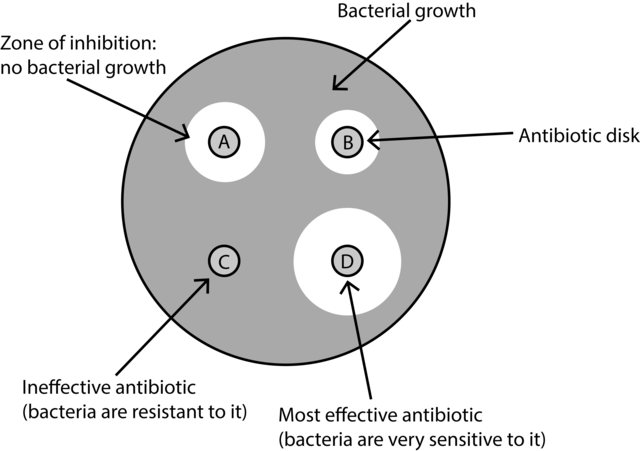
Each student took turns to perform the method, with each student responsible for carrying out only one of the three trials. The students were provided with the method below and recorded their results in the table as shown.
Method:
- Use a Bunsen burner to create a sterile environment.
- Label each agar plate with the different ampicillin concentrations.
- Use a sterile swab to transfer bacteria from the broth to the agar and rotate the plate as the bacteria are spread.
- Use sterile forceps to dip a paper disc into the corresponding ampicillin concentration and place this onto the agar plate.
- Seal the lid of the plate with tape.
- Repeat steps one to five for each ampicillin concentration.
- Incubate at 35oC for 10 hours.
- Using a ruler, measure the ZOI radius (mm) for each concentration of ampicillin.
Table 1. Student Results
| Zone of Inhibition (mm) | |||
| Concentration of Ampicillin (mg/mL) | Trial 1 | Trial 2 | Trial 3 |
| 0.125 | 7 | 6 | 1 |
| 0.25 | 11 | 11 | 14 |
| 0.5 | 15 | 14 | 13 |
| 1 | 20 | 20 | 21 |
| 2 | 30 | 30 | 18 |
a. Identify the dependent and independent variables in this experiment. 2 marks
b. Explain why the experiment was repeated. 1 mark
c. Identify which concentration of ampicillin has the most precise data. Justify your answer.
1
d. After the experiment, one of the students commented that it might be a good idea to infect humans with E.coli and then try different concentrations of the antibiotic ampicillin to determine which is most effective. However, a second student remarked that this may breach the ethical principle of non-maleficence.
Outline whether or not you think the second student is correct and justify your response.
END OF QUESTION AND ANSWER BOOK
2 marks