A genetic disorder is a health problem cause by abnormalities in the genome
There are over 6000 known genetic disorders
if caused by a mutation in a single gene, it is a monogenic disorder
if caused by mutations in multiple genes, it is a polygenic disorder
- genotype
- phenotype
- allosome
- autosome
- homologous - two homologous chromosomes are the same
- homozygous - a cell that is homozygous for a trait has two same alleles for the trait
- heterozygous - a cell that is heterozygous for a trait has two different alleles for the trait
- dominance
the probability of phenotypes caused by genetic disorders is shown with Punnett squares
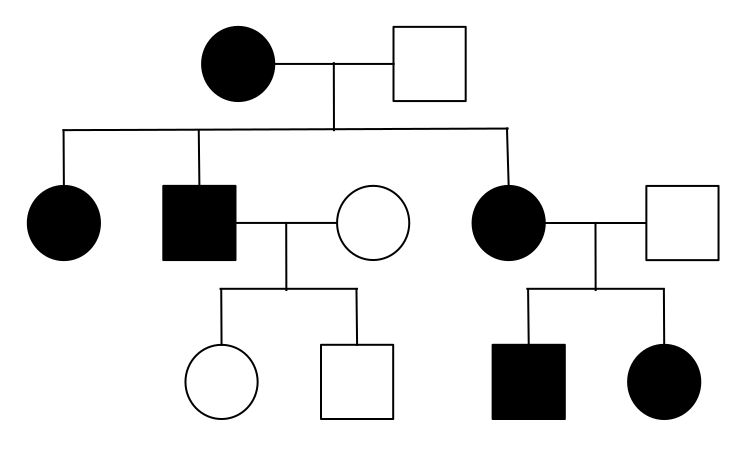
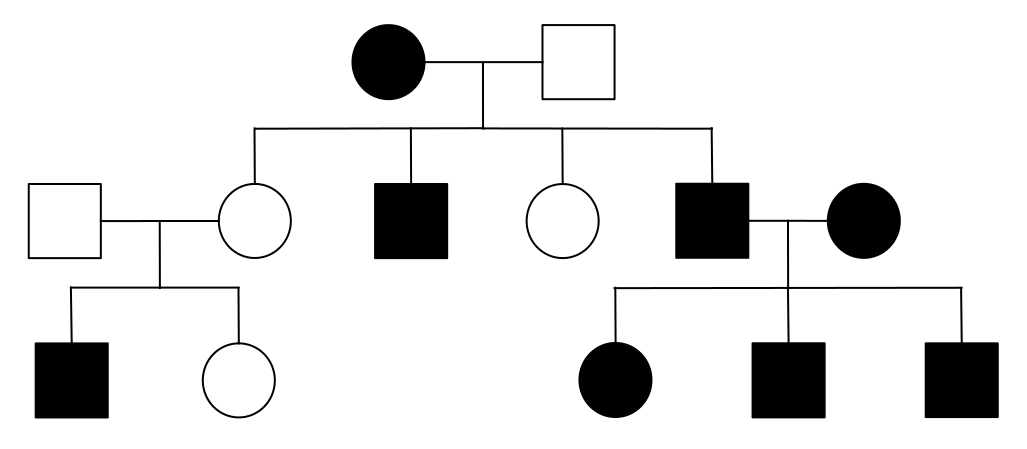
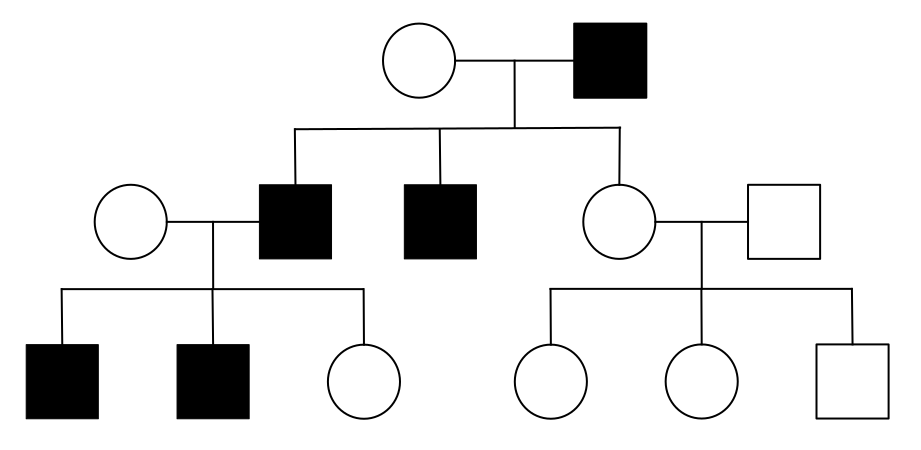
the appearance of phenotypes caused by genetic disorders is shown with Pedigree charts
autosomal disorder
an autosomal disorder is a genetic disorder caused by a mutation in a gene located on an autosome (a chromosome that doesn’t determine sex)
autosomal dominant disorder
a dominant phenotype is expressed equally in homozygous dominant and heterozygous individuals
the fact that the dominant phenotype is expressed in heterozygous means that just one copy of dominant allele is needed for trait to be expressed
- males and females are equally affected
- the trait appears in a child if at least one parent has the trait
- unable to skip a generation
here is a Punnett square showing one affected (Aa) and one unaffected (aa)
in this case,
genotypic ratio is 1 Aa : 1 aa
phenotypic ratio is 1 affected : 1 unaffected
| A | a | |
|---|---|---|
| a | Aa | aa |
| a | Aa | aa |
autosomal recessive disorder
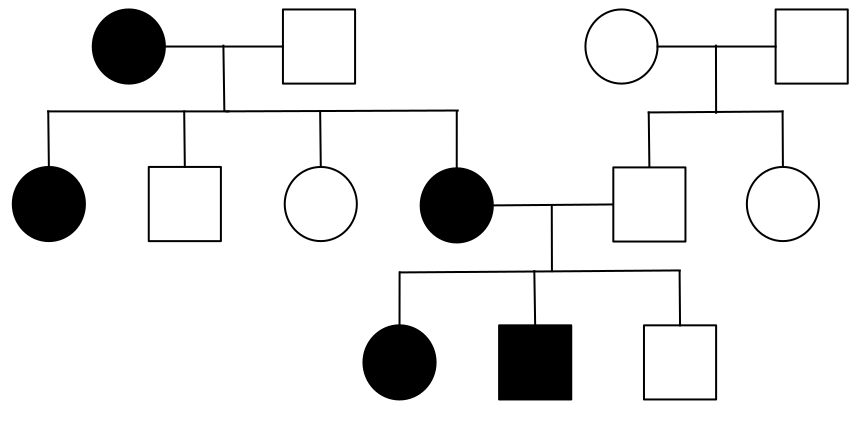
in an autosomal recessive disorder, both parents can not express the trait, however, if both are carriers, their offspring can express the trait. autosomal recessive disorders typically skip a generation, so affected offspring typically have unaffected parents. with an autosomal recessive disorder, both males and females are equally likely to be affected.
- males and females are equally affected
- able to skip a generation
here is a Punnett square showing one unaffected carrier (Aa) and one affected (aa)
in this case,
genotypic ratio is 1 Aa : 1 aa
phenotypic ratio is 1 unaffected : 1 affected
| A | a | |
|---|---|---|
| a | Aa | aa |
| a | Aa | aa |
here is a Punnett square showing one unaffected (AA) and one unaffected carrier (Aa)
in this case,
genotypic ratio is 1 AA : 1Aa
phenotypic ratio is 1 unaffected : 0 affected
| A | A | |
|---|---|---|
| A | AA | AA |
| a | Aa | Aa |
autosomal X-linked dominant disorder
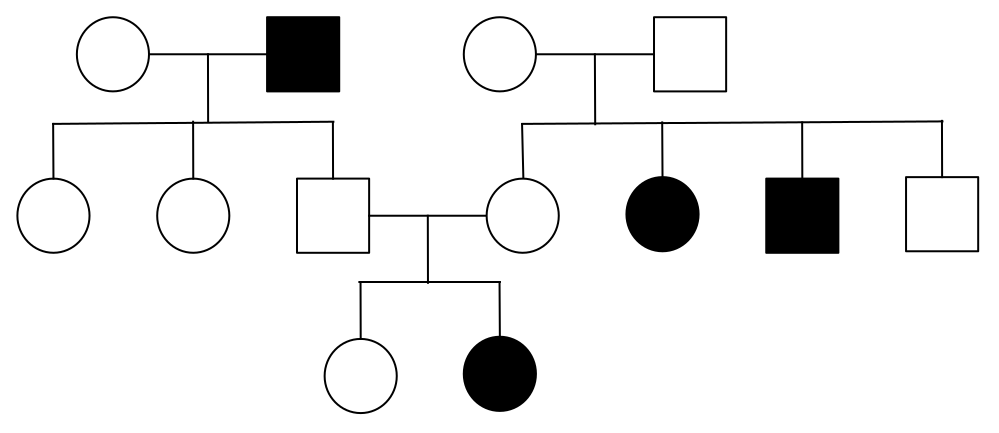
in a X-linked dominant disorder, if the father is affected all daughter will be affected and no sons will be affected. It doesn’t skip a generation and if the mother is affected she has a 50% chance of passing it onto her offspring.
- females are more commonly affected
- the father cannot pass on trait to his son because he does not contribute X chromosome
- all daughters of an affected father will be affected
here is a Punnett square showing one unaffected female (X^aX^a) and one affected male (X^AY)
in this case,
genotypic ratio is 1 X^AX^a : 1 X^aY
phenotypic ratio is 1 affected female : 1 unaffected male
| X^a | X^a | |
|---|---|---|
| X^A | X^AX^a | X^AX^a |
| Y | X^aY | X^aY |
in a X-linked dominant disorder, if the father is affected all daughter will be affected and no sons will be affected. It doesn’t skip a generation and if the mother is affected she has a 50% chance of passing it onto her offspring.
- females are more commonly affected
- the father cannot pass on trait to his son because he does not contribute X chromosome
- all daughters of an affected father will be affected
here is a Punnett square showing one unaffected female (X^aX^a) and one affected male (X^AY)
in this case,
genotypic ratio is 1 X^AX^a : 1 X^aY
phenotypic ratio is 1 affected female : 1 unaffected male
| X^a | X^a | |
|---|---|---|
| X^A | X^AX^a | X^AX^a |
| Y | X^aY | X^aY |
autosomal X-linked recessive disorder
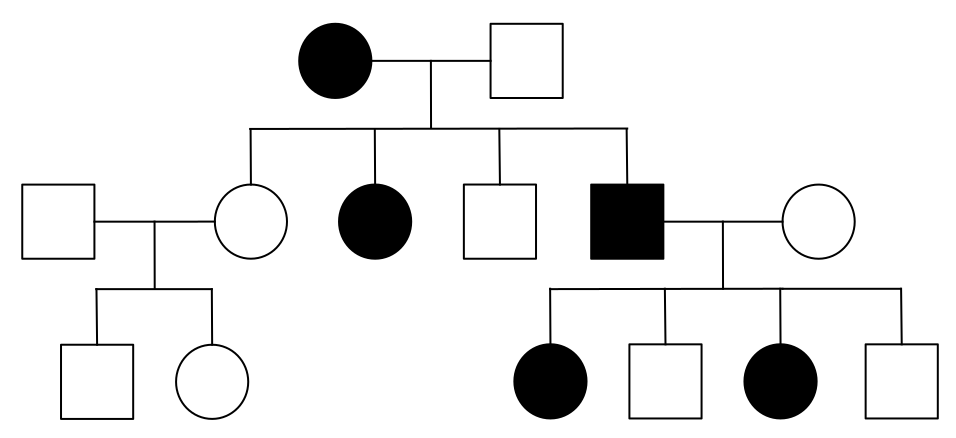
in a X-linked recessive disorder, males are more likely to be affected than females. affected sons typically have unaffected mothers. the father also must be affected for daughter to be affected and the mother must be affected or a carrier for the daughter to be affected. the disorder is also never passed from father to son. only females can be carriers for the disorders. x-linked recessive disorders also typically skip a generation.
- males are more commonly affected
- the father cannot pass on trait to his son because he does not contribute X chromosome
- all sons of an affected mother will be affected
here is a Punnett square showing one affected female (X^aX^a) and one affected male (X^aY)
in this case,
genotypic ratio is 1 X^aX^a : 1 X^aY
phenotypic ratio is 1 affected female : 1 affected male
| X^a | X^a | |
|---|---|---|
| X^a | X^aX^a | X^aX^a |
| Y | X^aY | X^aY |
here is a Punnett square showing one affected female (X^aX^a) and one unaffected male (X^AY)
in this case,
genotypic ratio is 1 X^AX^a : 1 X^aY
phenotypic ratio is 1 unaffected female : 1 affected male
| X^a | X^a | |
|---|---|---|
| X^A | X^AX^a | X^AX^a |
| Y | X^aY | X^aY |
Y-linked disorder
in a Y-linked disorder, only males can be affected. if the father is affected all sons will be affected
here is a Punnett square showing one unaffected female (XX) and one unaffected male (XY^A)
in this case,
genotypic ratio is 1 XX : 1 XY^A
phenotypic ratio is 1 unaffected female : 1 affected male
| X | X | |
|---|---|---|
| X | XX | XX |
| Y^A | XY^A | XY^A |
mitochondrial disorder
in mitochondrial disorders it is only passed on if the mother is affected. If the mother is affected, all offspring will be affected. If the father is affected, he does not pass it on to his offspring.