in cell biology, meiosis is a special type of cell division in sexually reproducing organisms that produces gametes
it involves two rounds of division that ultimately result in 4 haploid cells
stages of meiosis are
- prophase I
- metaphase I
- anaphase I
- telophase I
- prophase II
- metaphase II
- anaphase II
- telophase II
meiosis I refers to phases prophase I through telophase I
meiosis II refers to phases prophase II to telophase II
figure 1: graphical depiction of stages of meiosis
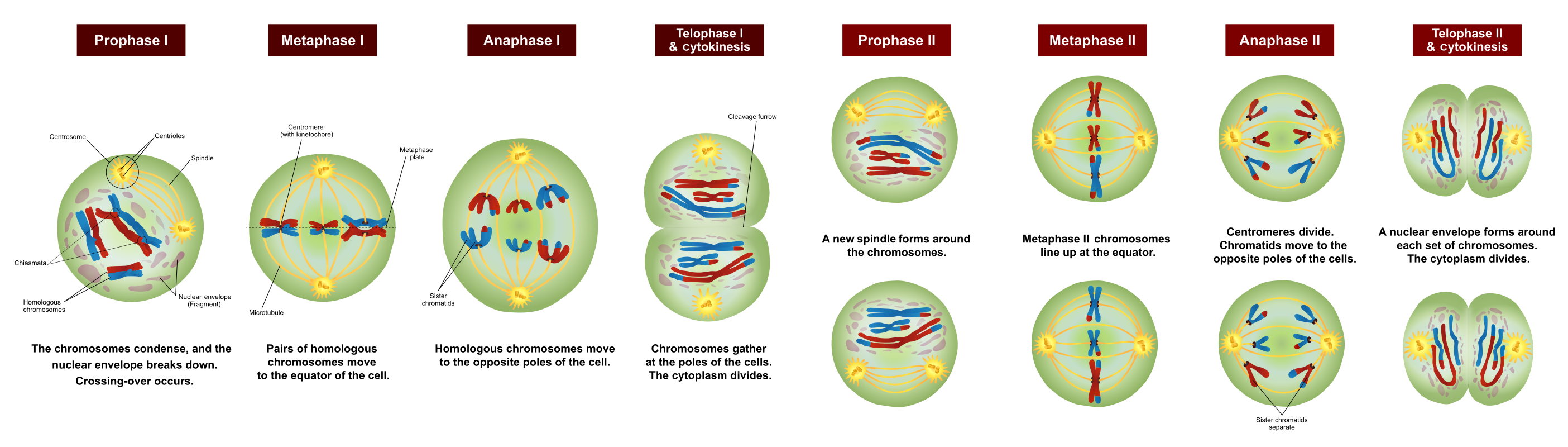
prophase I
prophase I is the longest phase of meiosis
it lasts 13 out of 14 days of meiosis in mice
chromosomes condense and the spindle apparatus begins to use centrioles to form spindles
synapsis occurs between pairs of homologous chromosomes
crossing over and recombination occur between these pairs of synapsed homologous chromosomes
the nuclear membrane breaks down
metaphase I
pairs of homologous chromosomes line up along the equatorial plate at the center of the cell
this occurs randomly through independent assortment
spindle fibers attach to the centromeres of the chromosomes
anaphase I
disjunction of homologous chromosomes occurs when the spindle contracts, so one member of each homologous pair moves opposite poles of the cell
telophase I
chromosome become less condensed
two new nuclear membranes form
prophase II
in both of the two daughter cells,
chromosomes condense
nuclear membrane breaks down
spindle fibers form from the centrioles
metaphase II
in both of the two daughter cells,
pairs of homologous chromosomes line up along the equatorial plate at the center of the cell
this occurs randomly through independent assortment
spindle fibers attach to the centromeres of the chromosomes
anaphase II
in both of the two daughter cells,
sister chromatids separate
telophase II
chromosomes become less condensed and the 4 cells each form a new nuclear membrane
resulting in 4 gametes